Grupo de Estudio | Intensivo de Primavera - Introducción a la Psicología U3
Study Group | Spring Intensive - Introduction to Psychology U3
Keywords
Summary
122 words
Critical Evaluation
Value of the Information & Strength of the Argument
The video provides a solid review of key concepts from a typical psychology syllabus, with clear emphasis on what is likely to appear in exams. The hosts use relatable examples (e.g., horoscope, driving skills) to illustrate abstract concepts like the Forer effect and self-serving bias. The argumentation is coherent, but the informal and somewhat scattered delivery (tangential remarks, repeated clarifications) reduces its overall persuasive impact. The value lies in its scaffolding of complex material into digestible segments, though it lacks deep critical analysis beyond the textbook content.
Scientific Rigor, Source Quality, Title Accuracy
The video is not based on original research but on a course manual (likely ‘Introduction to Psychology’). The presenters do not cite external sources explicitly, relying on their own understanding. The title adequately matches the content, which is a focused study session. The lack of formal credentials or peer-reviewed source references lowers the rigor, but the content aligns with established psychological concepts. The description includes a WhatsApp link for materials, which is the only external reference. No comments are available for analysis.
184 words
Title / Content Match
Title accurately reflects the content: a study group session introducing Psychology Unit 3.
Quality & Reliability
6/10
The session provides a structured study review of Unit 3 on psychological biases and definitions, based on a specific manual. The presenters are not credentialed experts but offer pedagogical support. Content is consistent with common psychology concepts, though informal and occasionally repetitive.
Key Moments
Markers derived by PSI from the transcript: the creator did not define chapters.
- Welcome and introduction to the study group session.
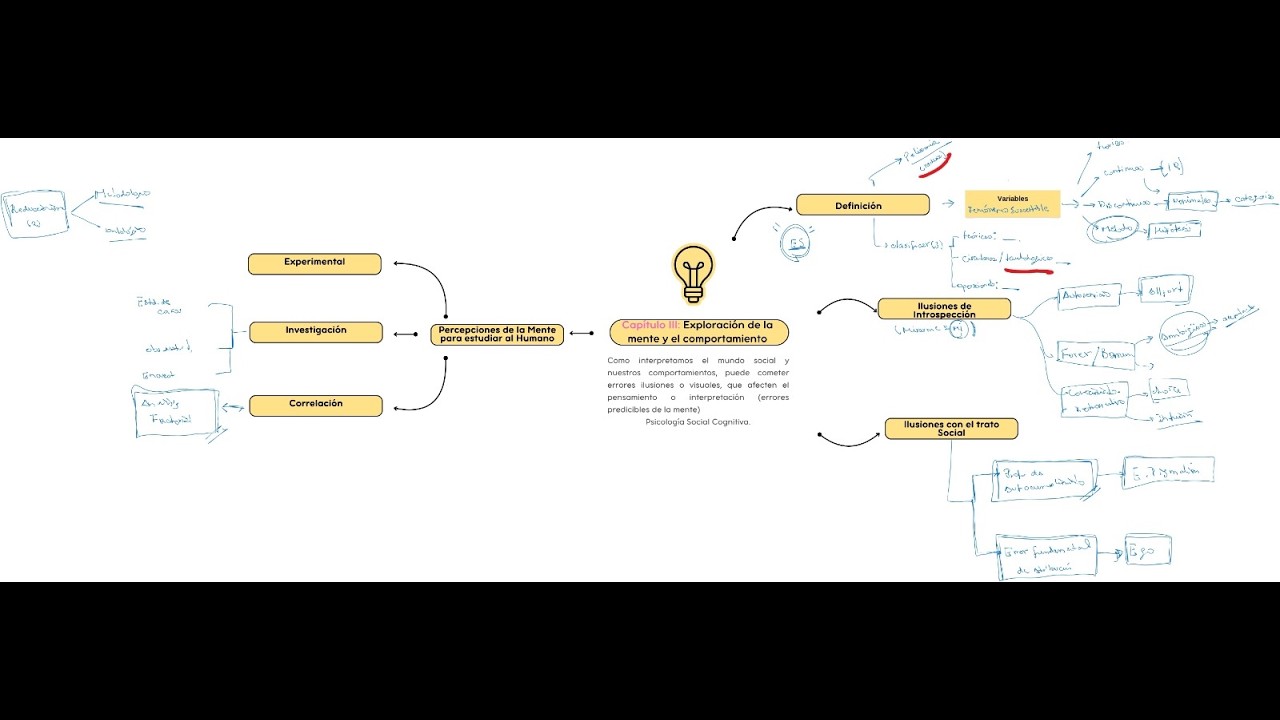
- Overview of Unit 3: definitions and polysemy.
- Discussion of variables and their classifications.
- Introspective illusions: self-serving bias, Forer effect, hindsight.
- Social interaction illusions and fundamental attribution error.
- Overview of research methods and reductionism.
Cited Sources
- WhatsApp Study Group — Link to join the study group for materials and updates.
Contribution & Novelties
The video offers a pedagogically structured revision of Unit 3, highlighting exam-relevant points and common pitfalls. It synthesizes key definitions and biases into an easily digestible framework, which can be a valuable supplement for students. While not introducing new scientific knowledge, it translates textbook content into accessible examples.
Pour aller plus loin :
- Confirmation bias — Related to the Forer effect as a cognitive bias in information processing.
- Self-serving bias — Directly matches the autoservicio bias discussed.
- Fundamental attribution error — Key component of social interaction illusions.
- Pygmalion effect — Relevant to the self-fulfilling prophecy in educational contexts.
98 words
Radar Profile
The radar profile is balanced, with moderate scores across information quantity, quality, technical level, and reliability. This reflects a useful but informal study session that is pedagogically effective yet not deeply technical or heavily sourced.