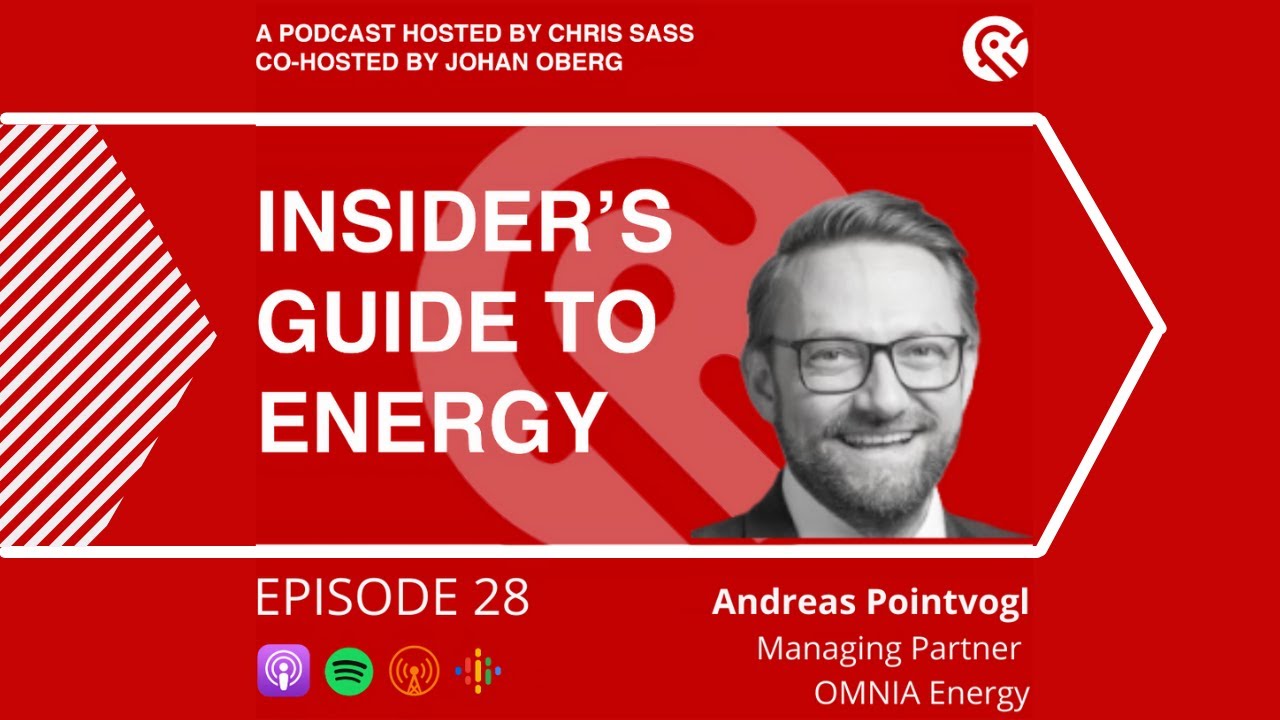
Episode 28 - How Banks, NGOs and other organizations should make sound energy policy.
Keywords
Summary
150 words
Critical Evaluation
Value of the Information & Strength of the Argument
The value of the information lies in its insider perspective on energy policy consulting, offering practical examples of how reforms are initiated and the challenges faced. The argumentation is coherent and based on the guest’s direct experience, but it is largely anecdotal without quantitative evidence or case studies. The discussion is compelling in describing trade-offs and political realities, but it could benefit from more concrete data or references to support claims about successful outcomes.
Scientific Rigor, Source Quality, Title Accuracy
The episode does not cite specific sources or studies, relying instead on the guest’s professional expertise. The title accurately mirrors the content, which focuses on how institutions like banks and NGOs can influence energy policy through advisory roles. The discussion is informal but professional, with no visible contradictions. However, the lack of verifiable references reduces its scientific rigor. No comments were analyzed, so no community trends are noted.
157 words
Title / Content Match
The title accurately reflects the content, as the episode explores how organizations like banks and NGOs can contribute to sound energy policy through advisory and reform processes.
Quality & Reliability
6/10
The content is based on the guest's professional experience in energy policy consulting, but it lacks verifiable data or references. The discussion is anecdotal and focused on practical insights rather than rigorous scientific analysis.
Key Moments
Markers derived by PSI from the transcript: the creator did not define chapters.
- Intro and small talk about football and summer plans.
- Introduction of guest Andreas Pointvogl and his company Omnia Energy.
- Discussion of typical projects: working with development banks and EU institutions.
- Drivers for reform: EU accession, affordability, and infrastructure aging.
- Balancing stakeholder interests and political trade-offs in reform.
- Long-term vision and avoiding past mistakes; leapfrogging technology.
Contribution & Novelties
The episode offers an insider account of energy policy consulting, highlighting the practical challenges of aligning political will, regulatory frameworks, and market needs. It underscores the importance of long-term thinking and continuous reform, a perspective often underrepresented in tech-focused energy discussions.
Pour aller plus loin :
- Energy policy of the European Union — Provides background on EU energy framework relevant to the harmonization discussed.
- Energy Community — Essential for understanding the legal basis for extending EU energy rules to neighboring countries.
- International Energy Agency — Offers global energy policy insights and data that complement the advisory context.
97 words
Radar Profile
The profile shows moderate scores across all dimensions, with slightly higher information quantity and quality compared to technical depth. This reflects an accessible, experience-based discussion without heavy data or technical detail.