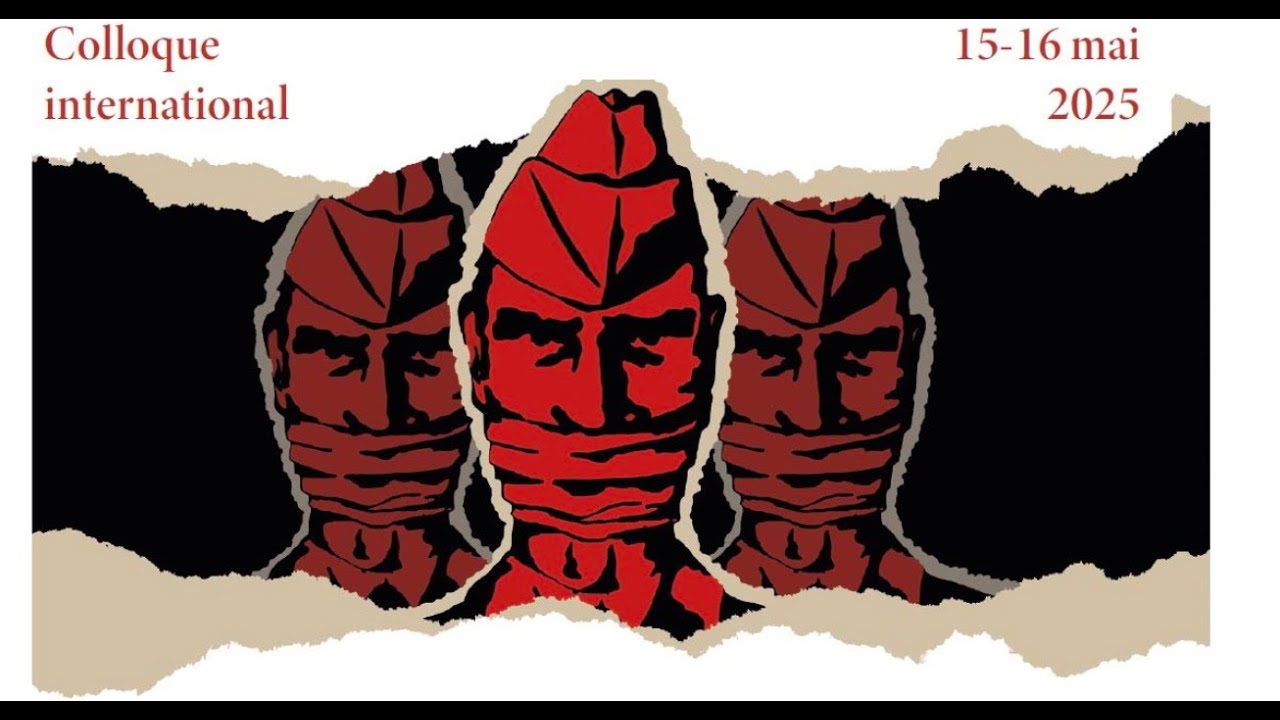
Table ronde « Objecter dans le monde urbain et dans le monde rural »
Round table « Objecting in the urban world and in the rural world »
Keywords
Summary
170 words
Critical Evaluation
Value of the Information & Strength of the Argument
The value of the information lies in the direct testimonies of three actors who experienced conscientious objection in different contexts (urban, rural, religious, secular). They provide detailed accounts of their motivations, the administrative obstacles, and the collective actions they undertook. The argumentation is based on personal experience and historical contextualization, with references to specific events (e.g., the Algerian War, the Larzac struggle, the Debré decree). The speakers are credible due to their long-standing activism and expertise. The discussion is rich in concrete examples and illustrates the evolution of the objector status and the challenges faced by those who refused military service.
Scientific Rigor, Source Quality, Title Accuracy
The scientific rigor is ensured by the academic framework of the colloquium and the participation of recognized experts. However, the video does not include formal citations or references, relying instead on oral testimonies. The sources mentioned are mostly personal archives and historical events. The title accurately reflects the content, as the round table effectively addresses objection in both urban and rural settings. The comments are not provided, so no analysis of public trends is included.
191 words
Title / Content Match
The title accurately reflects the content: a round table on objection in urban and rural contexts, with three speakers sharing their experiences. The discussion covers both perspectives, though the rural aspect is more developed.
Quality & Reliability
8/10
The video is a round table of direct testimonies from three former conscientious objectors, organized within an academic colloquium (Labex Comod, ENS Média). The information is first-hand, detailed, and contextualized historically. No external sources are cited in the description, but the speakers are recognized experts and activists. The absence of formal references and the oral nature of the testimonies slightly reduce the score.
Key Moments
Markers derived by PSI from the transcript: the creator did not define chapters.
- Introduction of the round table and the speakers.
- Dominique Arrivé explains his family background and the influence of the Algerian War.
- Dominique reads his letter requesting conscientious objector status.
- Dominique describes the trap of the objector status and his refusal to obey.
- Jean-Luc Denis presents the rural context and the taboos in villages.
- Jean-Luc reads a letter from local elected officials during his trial.
- Jean-Luc discusses the collective nature of their demands and the 'opération mairie'.
- Patrice Bouveret talks about the Debré decree and the discrimination against objectors.
- Patrice explains the low number of objectors compared to the total number of conscripts.
Contribution & Novelties
The video offers a unique opportunity to hear directly from former conscientious objectors, providing personal insights into the history of antimilitarism in France. It highlights the differences between urban and rural objection and the collective strategies employed. The testimonies add nuance to the historical record, showing the emotional and practical challenges faced by objectors.
Pour aller plus loin :
- Conscientious objector — General overview of conscientious objection worldwide.
- Observatoire des armements — Website of the organization co-founded by Patrice Bouveret.
- Objection de conscience en France — French Wikipedia article on the history of conscientious objection in France.
97 words
Radar Profile
The radar profile shows high scores in information quantity and quality, reflecting the rich testimonies and historical details. The technical level is moderate, as the discussion is accessible but not highly specialized. Overall reliability is high due to the academic context and expert speakers.