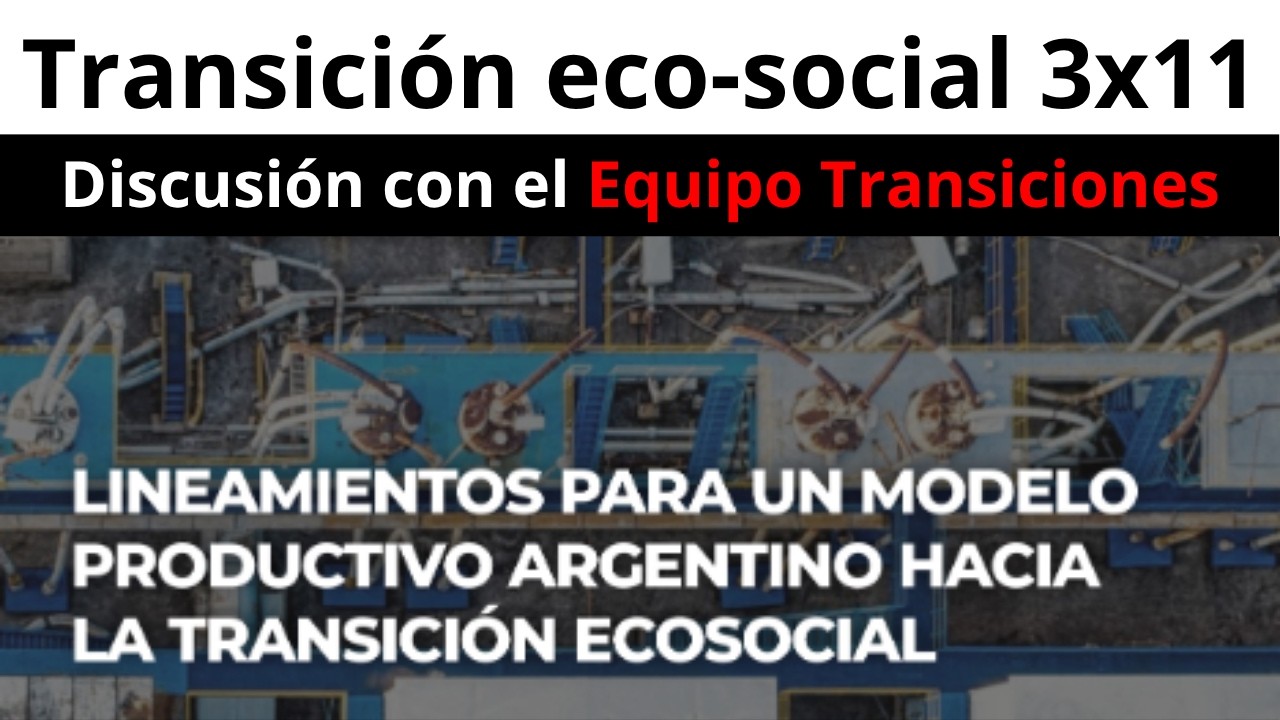
3x11. Un ¿nuevo? modelo productivo para la Argentina
3x11. A new? productive model for Argentina
Keywords
Summary
201 words
Critical Evaluation
Value of the Information & Strength of the Argument
The value of the information lies in its sharp critical analysis of a specific policy document, providing a clear example of how proposals can be superficially ecosocial but substantively reformist. The argumentation is solid in its internal logic: the hosts systematically point out the disconnect between the stated principles and the concrete suggestions, and they draw comparisons with established political and economic frameworks. They effectively expose the limitations and potential pitfalls of a moderate reformist approach, grounding their critique in a broader radical ecological perspective. However, the argumentation is one-sided, as they do not present counterarguments or acknowledge potential merits of the proposals. The reasoning is persuasive for an audience sympathetic to anti-capitalist and post-extractivist views, but it might be less convincing to those seeking pragmatic solutions. Overall, the video offers a valuable contribution to debates on ecological transitions by highlighting the ideological compromises that can occur within such movements.
Scientific Rigor, Source Quality, Title Accuracy
The primary source is the document itself, which is linked in the description; the hosts reference it extensively and quote its proposals. Their critique is based on a close reading, and they also compare it to previous texts from the same team, demonstrating familiarity with the broader literature. However, they do not cite any external academic sources or provide additional evidence to support their claims. The discussion is rigorous in terms of internal consistency and textual analysis, but it lacks external validation or alternative viewpoints. The title accurately reflects the content, as the question of whether the model is new is central to their critique. Overall, the episode demonstrates a reasonable level of rigor for an opinion piece, though it would benefit from more references to broader scholarly debates.
294 words
Title / Content Match
The title questions whether the model is truly new, and the content argues that it is not original but a variant of classical developmentalism, matching the interrogative tone.
Quality & Reliability
6/10
The hosts provide a coherent and critical analysis of a document proposing a productive model, but the discussion is opinion-based without external data or broader empirical evidence.
Chapters
- Presentación del último documento del Equipo Transiciones
- Contradicción entre la introducción teórica y las propuestas concretas
- Predominio de una visión desarrollista tradicional
- Comparación con el capitalismo verde y el Green New Deal
- Los peligros del posibilismo y la moderación extrema
- Alineamiento con discursos tradicionales y hegemónicos
- Expectativa por futuros documentos del Equipo Transiciones
- La necesidad de una política industrial compatible con la transición
- Falta de una perspectiva anticolonial y post-extractivista
- Discurso alejado de la economía anticapitalista y de los movimientos sociales
- Cierre del episodio y mención de próximos textos a analizar
Cited Sources
- Nueva propuesta para debatir un nuevo modelo productivo para la Argentina — Document discussed and critiqued by the hosts, available in the description.
Dissenting Sources
- Nueva propuesta para debatir un nuevo modelo productivo para la Argentina — The hosts argue that the document's proposals are not ecosocial but rather classic developmentalism, lacking radical change and anti-extractivist perspectives.
Contribution & Novelties
This video provides a novel critical perspective by deconstructing a recent policy document from a notable Argentine think tank, exposing the gap between ecosocial rhetoric and actual reformist proposals. It contributes to the debate on what constitutes a genuine ecosocial transition, offering a framework to distinguish between superficial green initiatives and transformative change. The hosts articulate a vision that combines industrial policy with ecological and anti-extractivist principles, which is a valuable addition to the literature on post-extractivism.
Pour aller plus loin :
- Green New Deal — Relevant as the hosts compare the document’s proposals to this framework.
- Ecosocialism — Provides context for the anti-capitalist critique the hosts advocate.
- Buen Vivir — Aligns with the call for a post-extractivist and good-living perspective in the video.
124 words
Radar Profile
The radar profile shows a moderate quantity of information with slightly lower quality and technical depth, indicating a focused but opinion-driven analysis. Reliability is moderate, reflecting the subjective nature of the critique while maintaining a structured argument.