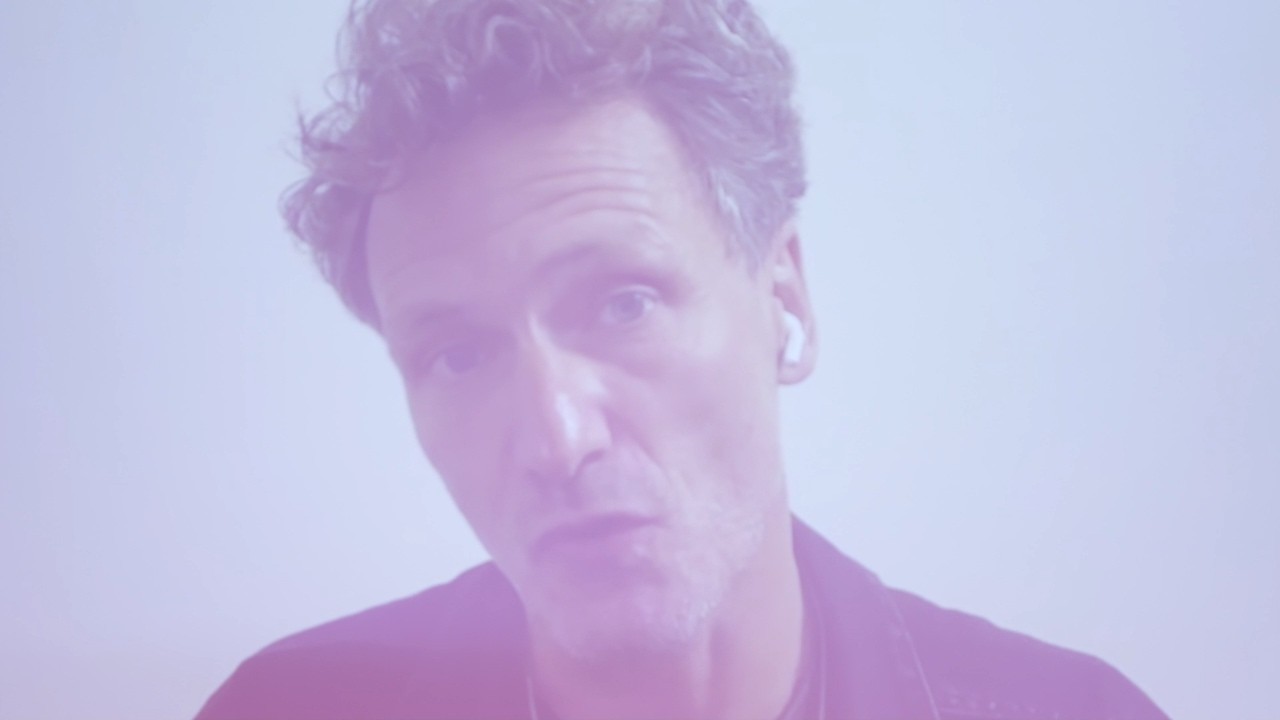
I Got the Climate Fight Wrong | Thomas Kolster | TEDxPlaka
Keywords
Summary
226 words
Critical Evaluation
Value of the Information & Strength of the Argument
The value of the information lies in its sharp critique of prevailing climate communication strategies, offering a fresh perspective that emphasizes collective focus on fossil fuels rather than individual shortcomings. Kolster’s argument is built on a compelling narrative arc, using personal anecdotes and a few key statistics to illustrate the futility of guilt-based messaging. His reasoning is logical and accessible, though it relies more on rhetorical persuasion than empirical evidence. The strength of his argumentation comes from concrete examples (like the beauty cream and the farmer’s story) that humanize the issue and make the call to action tangible. He effectively challenges the complexity paralysis, advocating for a simple, unifying goal that feels achievable.
Scientific Rigor, Source Quality, Title Accuracy
The scientific rigor is moderate: Kolster mentions well-known figures (e.g., 86% of emissions from fossil fuels) but does not provide citations or detailed data analysis, which weakens the claim for a scientifically rigorous audience. The talk is more of an opinion piece grounded in professional experience rather than a review of literature. In terms of sources, only the TEDx link is provided in the description, and the talk references his own books but without direct URLs. The title is accurate and intriguing, capturing the essence of his confession and new realization. There are no comments provided, so public reception cannot be assessed.
230 words
Title / Content Match
The title accurately reflects the speaker's confession and shift in perspective, aligning well with the content of the talk.
Quality & Reliability
7/10
The talk offers a coherent and sincere personal reflection on climate communication, but relies on anecdotal evidence and a few broadly quoted statistics (86% of emissions from fossil fuels) without detailed citation or rigorous data analysis. The argument is persuasive but not scientifically exhaustive.
Key Moments
Markers derived by PSI from the transcript: the creator did not define chapters.
- Introduction: Confession about making people feel guilty, and the purpose of the talk.
- Background: Growing up on a Danish island, witnessing environmental degradation and the inspiration from his biology teacher.
- Career shift to advertising and the beginning of his climate communication journey, including the first book 'Goodvertising'.
- Turning point: The face cream meeting, realizing the prevalence of fossil fuels in everyday products and the 86% emission statistic.
- Proposal of the simple plan: 'Live well without oil' and examples of hope such as Copenhagen and the ozone layer ban.
- Conclusion: Asking for trust, reiterating the message that we can live well without oil.
Cited Sources
- TEDx Program — The talk was independently organized by a local community under the TEDx format, described at the end of the video description.
Contribution & Novelties
The talk provides a novel reframing of climate action by shifting the focus from individual guilt to a collective effort to eliminate fossil fuels. It challenges the common narrative of personal sacrifice and suggests that focusing on oil as the primary driver can simplify the complex climate challenge and foster collaboration. The speaker’s personal journey and confession add authenticity to the message.
Pour aller plus loin :
- Fossil fuel — Background on the role of fossil fuels in climate change, providing scientific context to the speaker’s claim.
- Climate communication — Research on effective ways to communicate climate change, relevant to the talk’s critique of guilt-based messaging.
- Psychological impact of climate change — Insights into how guilt and fear affect behavior, supporting the need for more positive framing.
127 words
Radar Profile
The radar profile shows moderate to high scores in information quality and qualitative reasoning, with lower technical depth and global reliability. This aligns with an opinion-driven talk that offers a compelling argument without rigorous scientific backing.