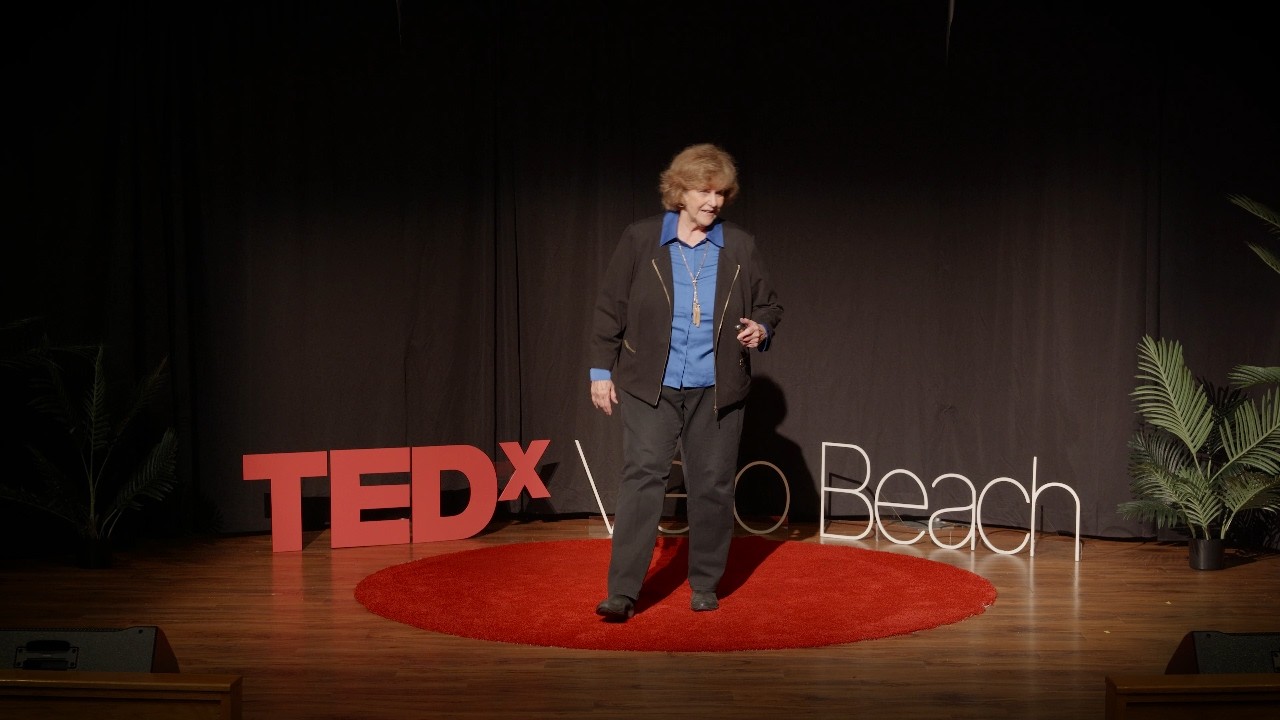
The Kid Who Noticed | Sandy Austin | TEDxVero Beach
Title history
- The Kid Who Noticed | Sandy Austin | TEDxVero Beach — observed on 20261120-1758 UTC (YouTube)
Keywords
Summary
167 words
Critical Evaluation
Value of the Information & Strength of the Argument
The talk provides a valuable, actionable framework for addressing bullying and isolation through peer support. The argument is built on emotional testimonials and clear before-and-after survey data, though the data lack methodological rigor. The speaker’s credibility as a lifelong counselor strengthens the narrative, and the concrete examples of outreach activities offer practical takeaways. However, the argumentation is largely persuasive and anecdotal rather than evidence-based, and potential biases in self-reported outcomes are not addressed.
Scientific Rigor, Source Quality, Title Accuracy
The scientific rigor is limited: the talk does not cite external studies or peer-reviewed research, and the survey data are presented without methodology or statistical analysis. Sources are minimal, with only the general TEDx platform link provided. The title is appropriate and accurately reflects the core message. No comments are available for analysis, so public reception cannot be assessed.
147 words
Title / Content Match
The title 'The Kid Who Noticed' directly reflects the central theme of a student noticing a struggling peer, which is well exemplified throughout the talk.
Quality & Reliability
6/10
The talk draws on the speaker's extensive professional experience as a school counselor and founder of the B.I.O.N.I.C. Team, but relies primarily on anecdotal evidence and self-reported surveys without peer-reviewed validation. The personal stories and program outcomes are compelling yet not independently verified.
Key Moments
Markers derived by PSI from the transcript: the creator did not define chapters.
- Opening recount of Columbine and school suicides.
- School labeled 'The Death School' and decision to start Bionic Team.
- Description of initial Bionic activities: welcoming new students and get-well packets.
- Expansion to poster outreach for other schools and the 'caring school' shift.
- Introduction of 10-10 I Care Day and its global scale.
- Presentation of survey results showing positive changes in student attitudes.
- Alumni stories, including Eva and Carissa's later initiatives.
- Call to action: encourage noticing and support student-led change.
Cited Sources
- TEDx Talks — General platform hosting the TEDx talk.
Contribution & Novelties
The talk’s main contribution is the B.I.O.N.I.C. Team model, which empowers students to become active bystanders and peer supporters, with a specific emphasis on noticing and responding to subtle signs of distress. It offers a replicable framework tested over 22 years and across multiple schools, and the 10-10 I Care Day provides a concrete annual event for nationwide engagement.
Pour aller plus loin :
- Bullying prevention — Overview of strategies and evidence for reducing bullying in schools.
- Peer support — Discusses the effectiveness of peer-led interventions in various settings.
- School climate — Explains how positive school environments correlate with reduced violence and improved well-being.
104 words
Radar Profile
The radar profile shows moderate scores across all dimensions, with a slightly higher score in quantite_information (7) reflecting the abundance of examples and anecdotes. Niveau_technique is lowest (4), as the talk is non-technical and accessible. The overall balance suggests an inspiring, experience-based presentation rather than a rigorously scientific one.