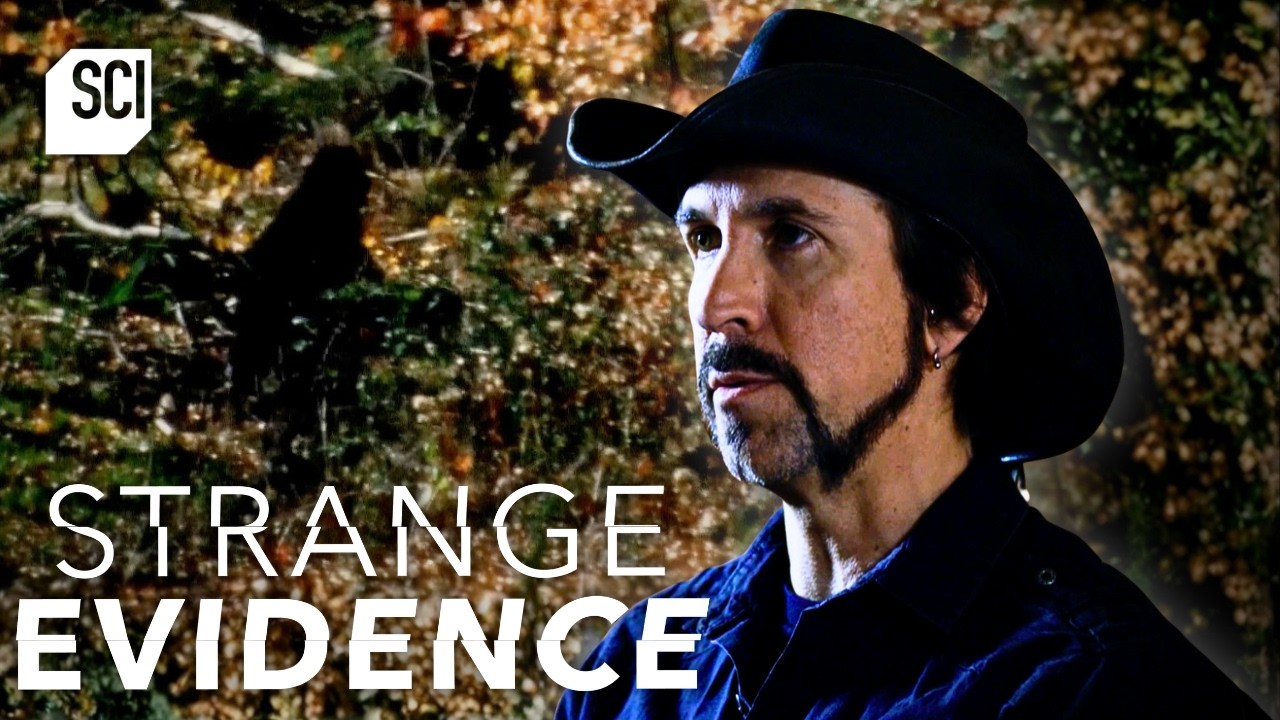
Bigfoot Caught on Camera? | Strange Evidence | Science Channel
Keywords
Summary
133 words
Critical Evaluation
Value of the Information & Strength of the Argument
The value lies in presenting diverse expert opinions and using analytical tools like video enhancement and biomechanics to assess the evidence. The argumentation is structured around weighing competing hypotheses, but often relies on speculation and lacks rigorous scientific validation. The show succeeds in engaging the audience with intriguing possibilities, yet the logical leaps (e.g., from a thrown tree to superhuman strength) are presented without quantitative support. The inclusion of a hoax resolution in the first case demonstrates critical thinking, but the subsequent cases offer no such resolution, leaving the viewer with unresolved sensationalism.
Scientific Rigor, Source Quality, Title Accuracy
The scientific rigor is moderate: experts are identified (e.g., Joe Nickell, Matt Pruitt), and some efforts are made to cross-check claims (e.g., checking media for escaped apes). However, sources are rarely cited, and many statements are anecdotal or based on unverified reports. The title accurately reflects the content, as the video does focus on Bigfoot caught on camera, though it ultimately debunks one sighting and leaves others unexplained. The reliance on speculative hypotheses without concrete evidence lowers the overall reliability.
188 words
Title / Content Match
The title asks a question about Bigfoot being caught on camera, and the video explores various alleged sightings and analysis, directly addressing that question.
Quality & Reliability
6/10
The show presents speculative theories with expert commentary but lacks conclusive evidence. The science channel is reputable, but the content is inherently uncertain.
Key Moments
Markers derived by PSI from the transcript: the creator did not define chapters.
- Introduction to strange evidence and the three cases.
- Georgia dashcam footage: creature crosses road; police chase.
- Analysis: bear theory by Joe Nickell, but stride and speed rule out black bear.
- Investigation reveals hoax: beer cans and costume found; students confess.
- Alberta logging site footage: creature throws tree; enhancement analysis.
- Russia car chase footage; Neanderthal theory and DNA evidence from cave.
- Pleistocene Park and secret experiment speculation; conclusion.
Cited Sources
- Strange Evidence on Discovery+ — Full episode streaming link provided in the video description.
- Video link on YouTube — Source video itself, used for reference.
Contribution & Novelties
The show’s original contribution is its systematic analysis of amateur footage using forensic video enhancement and biomechanical reasoning, though it does not introduce new scientific findings. It synthesizes existing knowledge about bear behavior, gorilla strength, Neanderthals, and cryptozoology to address the mystery.
Pour aller plus loin :
- Bigfoot (Wikipedia) — Overview of the legend and alleged evidence.
- Neanderthal (Wikipedia) — Scientific details on Neanderthal morphology and extinction.
- Pleistocene Park (Wikipedia) — Real-world project aiming to recreate ice-age ecosystems.
78 words
Radar Profile
The radar profile shows moderate scores across all dimensions, with quantity of information relatively high but technical level and reliability lower, reflecting the speculative nature of the content. The show balances multiple hypotheses but lacks conclusive evidence, resulting in a typical documentary profile for cryptozoology subjects.