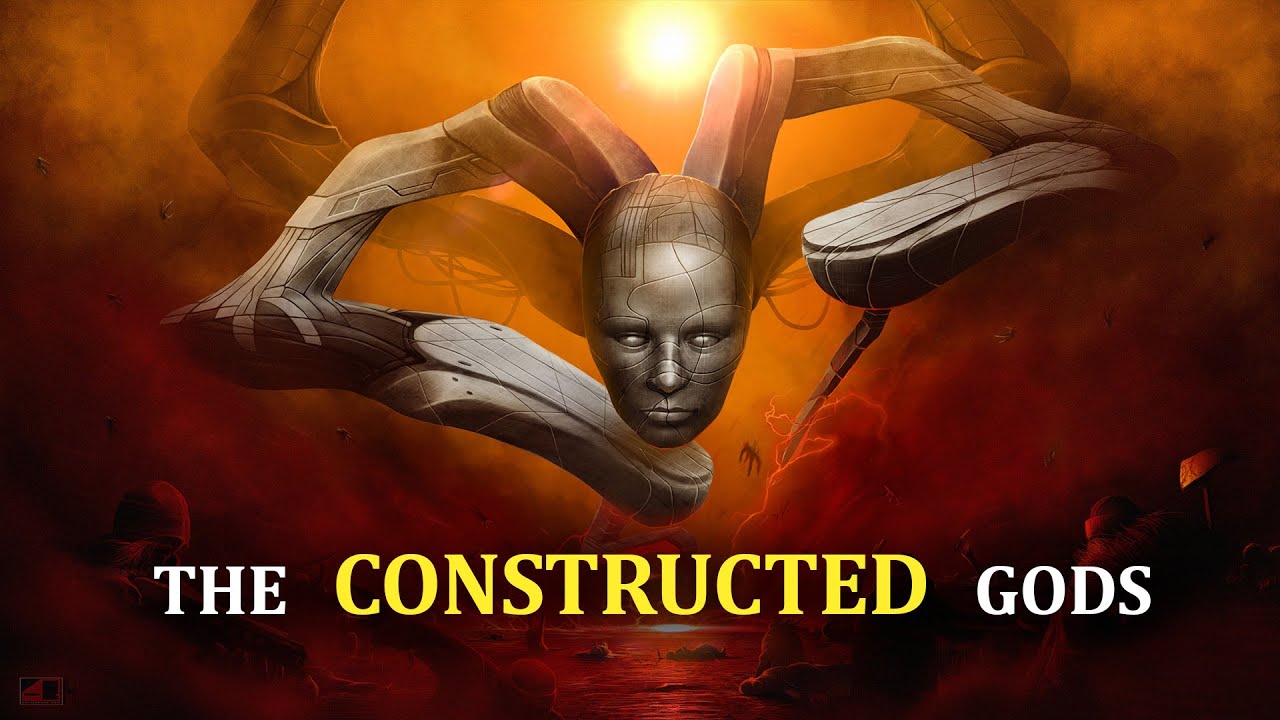
The Constructed Gods | Why Sci-fi Makes Deities
Keywords
Summary
183 words
Critical Evaluation
Value of the Information & Strength of the Argument
The video provides valuable insights into the philosophical and psychological underpinnings of god-making in science fiction. Quinn’s argumentation is coherent and well-supported by literary examples, particularly the detailed analysis of Leto II’s role in the Dune series. He effectively contrasts different portrayals of constructed gods, from the tyrannical but purposeful Leto II to the dispersed AI in Neuromancer, illustrating a spectrum of divine metaphors. The discussion of transcendence and authority as driving forces is compelling and offers a fresh perspective on familiar texts. However, the argumentation is largely interpretive and lacks engagement with counterarguments or alternative readings, which slightly weakens its overall solidity.
Scientific Rigor, Source Quality, Title Accuracy
The video demonstrates a strong grasp of the source material, particularly the Dune series, and correctly references key concepts and characters. However, it does not cite academic or critical sources, relying instead on the creator’s expertise and personal interpretation. The title accurately reflects the content, and the video stays on-topic throughout. The description provides links to related playlists and the creator’s other works, but no direct citations to scholarly articles or primary sources beyond the literary works themselves. Overall, the rigor is moderate, typical of a well-informed opinion essay rather than a scholarly analysis.
212 words
Title / Content Match
The title accurately reflects the content, which explores why science fiction frequently depicts humans creating or becoming gods.
Quality & Reliability
7/10
The video offers a well-structured and insightful analysis of god-making themes in science fiction, grounded in literary examples (Dune, Neuromancer) and philosophical reflections. However, it is an opinion-driven essay without formal citations or peer-reviewed sources, and some interpretations are subjective.
Key Moments
Markers derived by PSI from the transcript: the creator did not define chapters.
- Opening passage from 'God Emperor of Dune' read by Quinn.
- Discussion of the biblical concept of humans as God's image.
- Analysis of Leto II as a constructed god and the Golden Path.
- Comparison between Leto II and the AI god in Neuromancer.
- Exploration of transcendence as a driver for god-making stories.
- Discussion of authority and control in god-making narratives.
- Conclusion summarizing the philosophical questions raised.
Cited Sources
- Art used in video — List of artists and their works featured in the video.
- Thumbnail art — Artwork used for the video thumbnail.
- Folio Society Dune Collection — Promotional link to the Folio Society edition of Dune books.
- Quinn's Website — Creator's official website.
- Quinn's Shop — Creator's online store.
- Quinn's Graphic Novel — Creator's graphic novel.
- Subreddit — Community subreddit for the channel.
- H.P. Lovecraft Playlist — Playlist of videos about H.P. Lovecraft.
- Dune Playlist — Playlist of videos about Dune.
- Foundation Playlist — Playlist of videos about Foundation.
- Hyperion Playlist — Playlist of videos about Hyperion.
- Three-Body Playlist — Playlist of videos about the Three-Body Problem.
Concurring Sources
- Dune (novel) — Primary source for the Dune series, supporting the analysis of Leto II.
- Neuromancer — Primary source for the AI god theme in cyberpunk.
Contribution & Novelties
The video offers a thoughtful synthesis of god-making themes across major science fiction works, particularly highlighting the contrast between centralized and dispersed divine figures. It provides a fresh lens on Dune and Neuromancer, emphasizing the functional role of constructed gods as tools for civilization. The discussion of transcendence and authority as psychological drivers adds depth to the analysis.
Pour aller plus loin :
- The Concept of God in Science Fiction — Overview of religious themes in sci-fi.
- Frank Herbert’s Dune and Philosophy — Background on the Dune universe and its philosophical underpinnings.
- Artificial Intelligence in Fiction — Exploration of AI as god-like entities in literature.
105 words
Radar Profile
The radar profile shows high scores in quality of information and global reliability, reflecting the video's strong literary analysis and coherent argumentation. The moderate scores in quantity and technical level indicate a focused essay rather than a comprehensive survey, with limited technical depth. Overall, the video is a well-crafted opinion piece with solid foundations.
💬 Très positif. Sur les 30 commentaires analysés, les spectateurs expriment un fort enthousiasme pour la profondeur philosophique et la qualité de l'analyse, avec de nombreux éloges pour la voix de Quinn et les références littéraires.