Lecture 6 | Global Africa, Reparations and the End of Pan-Africanism | Part 3
Keywords
Summary
139 words
Critical Evaluation
Value of the Information & Strength of the Argument
The lecture provides valuable insights into the contemporary discourse on reparations and Pan-Africanism, offering a strong moral and political argument. Beckles argues persuasively for the necessity of reparatory justice, grounding his claims in historical examples such as Haiti’s constitution and the Durban conference. He effectively critiques the lack of African solidarity with the Caribbean and calls for a reinvigorated activist Pan-Africanism. The argumentation is coherent and passionate, though it relies more on rhetorical force and personal authority than on systematic evidence or citations.
Scientific Rigor, Source Quality, Title Accuracy
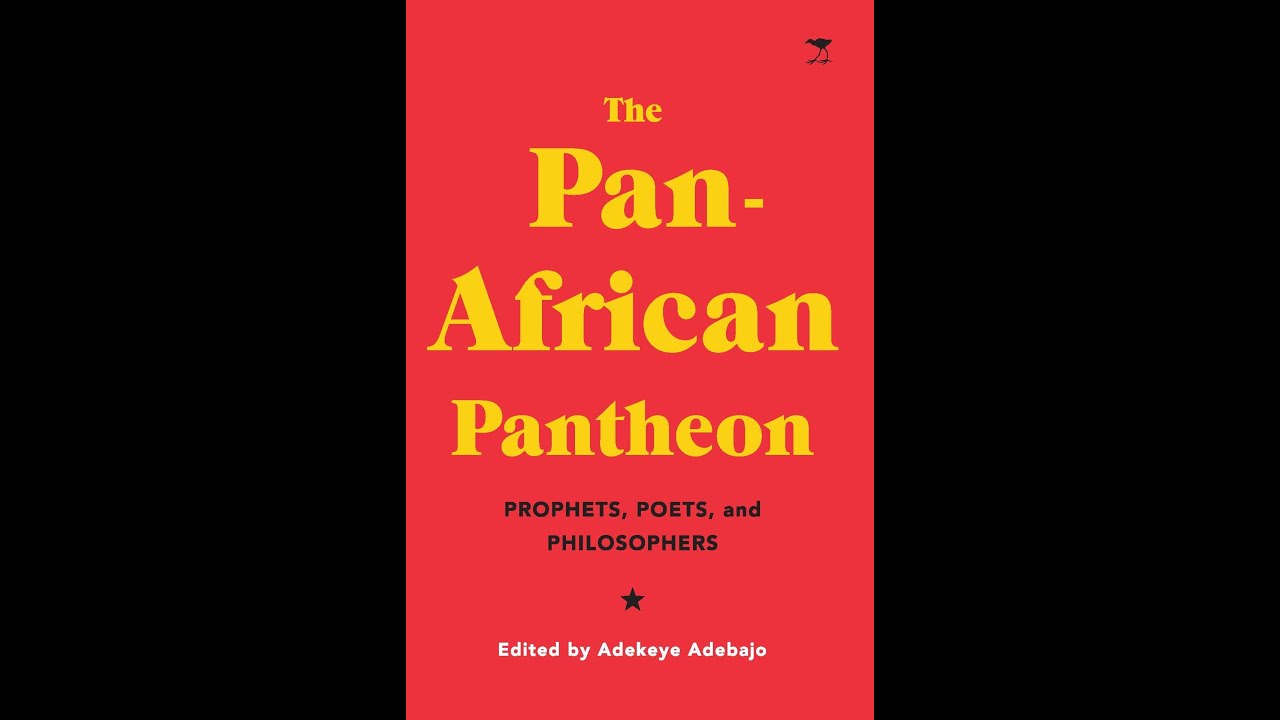
The lecture is based on the speaker’s expertise and historical knowledge, but it does not systematically cite sources. The title accurately reflects the content, and the discussion is well-structured. The Q&A format adds depth and addresses counterpoints, but the lack of explicit references limits the verifiability of some claims. The description provides links to the book ‘The Pan-African Pantheon’ which is relevant to the topic.
163 words
Title / Content Match
The title accurately reflects the content: a lecture on global Africa, reparations, and the evolution of Pan-Africanism, delivered by a prominent scholar.
Quality & Reliability
7/10
The speaker is a recognized academic and vice-chancellor, providing expert opinion grounded in historical and political analysis. The content is argumentative and relies on the speaker's authority rather than systematic citations, but it is coherent and well-informed.
Key Moments
Markers derived by PSI from the transcript: the creator did not define chapters.
- Introduction and first question from Pearl Robinson about the politics of the AU conference.
- Beckles responds on the need for a global summit on reparations, mentioning CARICOM and the African Union.
- Discussion on the Durban conference and the role of African states like Nigeria and South Africa.
- Beckles elaborates on the concept of 'Global Africa' and Ali Mazrui's contributions.
- Question about the Jewish diaspora and the concept of an international Jewish state.
- Beckles addresses the continued colonization of Caribbean territories like Turks and Caicos.
- Discussion on the need for reparations as development for Caribbean islands.
- Question about nationalism and Pan-African identity; Beckles expresses ambivalence.
- Beckles highlights Haiti's historical significance and calls for African solidarity with Haiti.
- Closing remarks on the importance of responsibility and leadership in Pan-Africanism.
Cited Sources
- The Pan-African Pantheon: Prophets, Poets, and Philosophers — Book mentioned in the description, to which Beckles contributed a chapter.
- The Pan-African Pantheon: Prophets, Poets, and Philosophers (Manchester University Press) — International purchase link for the same book.
Concurring Sources
- The Pan-African Pantheon: Prophets, Poets, and Philosophers — The book aligns with the lecture's themes on Pan-Africanism and its key figures.
Contribution & Novelties
The lecture offers a contemporary perspective on Pan-Africanism, emphasizing the need for reparatory justice and critiquing the silence of African states on Caribbean colonization. It brings attention to the continued existence of colonies in the Caribbean and the role of Haiti as a symbol of Pan-African resistance. The discussion on ‘Global Africa’ as a framework for diaspora relations adds a nuanced dimension.
Pour aller plus loin :
- Reparations for slavery — Provides background on the reparations movement.
- Pan-Africanism — Overview of the ideology and its history.
- CARICOM Reparations Commission — Details on the Caribbean’s reparations initiative.
- Haitian Revolution — Context on Haiti’s significance in Pan-African history.
106 words
Radar Profile
The radar profile shows high scores in information quality and technical level, reflecting the speaker's expertise and the depth of the discussion. The quantity of information is moderate, and reliability is solid but not fully verifiable due to the lack of explicit citations.