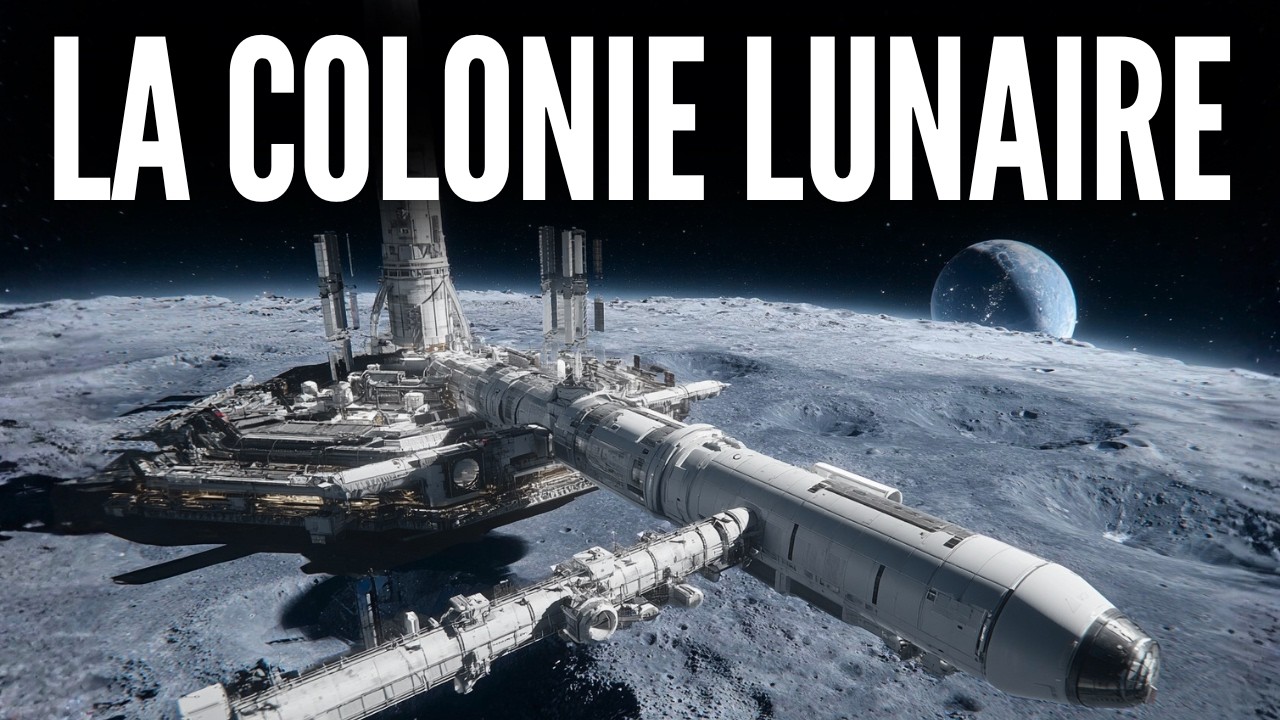
La VRAIE RAISON de notre retour sur la Lune (ce n’est pas la science)
Keywords
Summary
134 words
Critical Evaluation
The video provides a compelling and well-narrated overview of the motivations behind the return to the Moon, effectively blending historical context with contemporary developments. The argumentation is solid, particularly in explaining the geopolitical origins of Apollo and the subsequent decline of lunar exploration. The use of specific examples, such as the budget percentage of GDP and the number of people involved, adds credibility. However, the video tends to oversimplify some technical aspects, such as the capabilities of the Space Launch System (SLS) versus Starship, and may overstate the economic potential of lunar resources without sufficient scientific nuance. The sources cited, including an IEEE article, lend some authority, but the video relies heavily on narrative and may not fully address counterarguments or uncertainties. The production quality is high, with clear visuals and pacing, but the analysis could benefit from more expert interviews or data to support claims. Overall, it is an informative and engaging piece for a general audience, but it lacks the depth required for a rigorous scientific evaluation.
169 words
Title / Content Match
The title accurately reflects the video's focus on the geopolitical and economic motivations behind the return to the Moon, rather than purely scientific reasons.
Quality & Reliability
7/10
The video provides a well-structured historical and geopolitical analysis of the Apollo program and the Artemis program, with clear explanations and references to sources. However, it lacks detailed scientific depth and relies on narrative storytelling, which may oversimplify complex technical and economic aspects.
Chapters
- La Lune redevient un projet de civilisation
- Le retour lunaire et la question qui dérange
- Le dernier pas humain puis cinquante ans de silence
- Apollo ou la Lune comme arme de la guerre froide
- 400000 personnes pour gagner une course impossible
- Victoire acquise et rêve lunaire stoppé net
- La navette spatiale enferme la NASA en orbite
- Constellation s’effondre et le futur paraît fermé
- SpaceX bouscule tout et la Chine accélère
- Naissance d’une économie lunaire sur place
- SLS face à Starship la bascule du modèle spatial
- La vrais raison de notre retour sur la Lune
Cited Sources
- The Artemis Program: An Overview of NASA's Activities to Return Humans to the Moon — Referenced as an article read during research for the video.
- Artemis: retour sur la Lune (book) — Recommended as a book appreciated by the author.
- On a trouvé la TERRE 2.0 ? La vérité sur les Exoplanètes (video) — Recommended as an interview with a scientist.
Concurring Sources
- The Artemis Program: An Overview of NASA's Activities to Return Humans to the Moon — Provides technical details on the Artemis program, aligning with the video's description of the mission's scope.
External References
Contribution & Novelties
The video offers a fresh perspective by framing the return to the Moon as a geopolitical and economic endeavor rather than a purely scientific one, synthesizing historical context with current developments. It effectively connects the Apollo program’s Cold War origins to the modern Artemis program’s commercial and strategic goals.
Pour aller plus loin :
- Artemis program — Provides a comprehensive overview of NASA’s Artemis program, including objectives, missions, and international partnerships.
- Space economy — Discusses the economic activities in space, including lunar resource utilization and commercial ventures.
- Helium-3 — Explains the potential use of helium-3 as a fuel for fusion, a key resource cited in the video.
107 words
Radar Profile
The radar profile shows high scores in quantity of information and fiabilité, indicating a well-researched video with substantial content. The niveau technique is moderate, reflecting the balance between accessibility and technical detail. The overall quality is strong, with a slight dip in technical depth.
💬 Très positif. Sur les 30 commentaires analysés, la grande majorité exprime une admiration pour la qualité de la vidéo, la clarté de la narration et l'intérêt du sujet, avec quelques remarques constructives sur les défis techniques à relever.