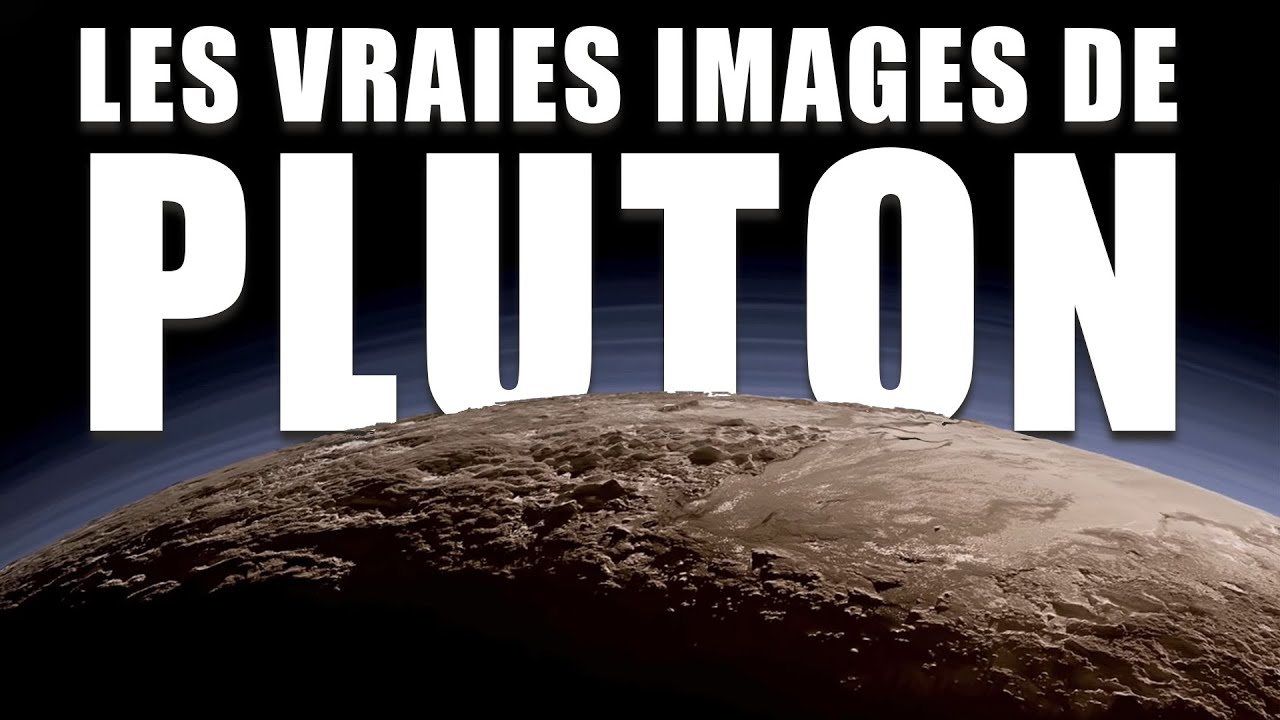
PLUTON, la planète naine aux volcans de glace !
Keywords
Summary
250 words
Critical Evaluation
Value of the Information & Strength of the Argument
The video provides substantial value by synthesizing complex geological and geophysical concepts into an accessible narrative. It effectively explains the significance of surface features like convection cells and cryovolcanoes, and clearly distinguishes between what is known from New Horizons data and what is speculative. The argumentation is logical and well-structured, building from observations to hypotheses. It presents multiple possible explanations for Pluto’s internal heat, such as residual heat, radioactive elements, and insulating ice, and discusses the role of ammonia in lowering the freezing point of water. The video also draws parallels with other icy moons like Europa and Enceladus, while correctly noting the key difference that Pluto lacks tidal heating. The reasoning is sound and avoids overstating certainty, appropriately framing the subsurface ocean as a hypothesis. The inclusion of the possibility of many ocean worlds in the Kuiper Belt adds a broader scientific context, making the content intellectually stimulating.
Scientific Rigor, Source Quality, Title Accuracy
The video demonstrates strong scientific rigor by grounding its content in the findings of the New Horizons mission and citing reputable sources in the description, including Sci.News, EOS, and NASA’s Photojournal. These sources are directly relevant to the topics discussed, such as polygonal structures on Pluto and clues from its faults. The information is presented accurately, with clear differentiation between confirmed observations and theoretical interpretations. The title is appropriate and engaging, accurately reflecting the focus on Pluto’s icy volcanoes, though it does not mention the broader geological activity covered. The video does not appear to contain any advertising sequences. The description also includes links to podcasts and social media, but these are not scientific sources. Overall, the sourcing is credible and enhances the video’s reliability.
289 words
Title / Content Match
The title accurately reflects the content, which focuses on Pluto's icy volcanoes and geological activity, though it also covers other features like convection cells and possible subsurface ocean.
Quality & Reliability
8/10
The video presents a scientifically accurate overview of Pluto's geology based on New Horizons data, with sources from reputable scientific outlets (Sci.News, EOS, NASA JPL). It clearly distinguishes established facts from hypotheses, and the information is current as of the 2015 flyby.
Key Moments
Markers derived by PSI from the transcript: the creator did not define chapters.
- Introduction to Pluto's location and the New Horizons mission
- Overview of New Horizons data and limitations
- Description of Tombaugh Regio and its two lobes
- Explanation of convection cells in Sputnik Planitia
- Introduction to cryovolcanoes Wright Mons and Piccard Mons
- Discussion of fractures and evidence of internal pressure
- Hypothesis of a subsurface ocean and its implications
- Conclusion on the possibility of ocean worlds in the Kuiper Belt
Cited Sources
- Polygonal Structures on Pluto — Source for the convection cells in Sputnik Planitia
- Clues to Pluto's History Lie in Its Faults — Source for the fractures and internal activity
- NASA Photojournal: Pluto — Source for images and data from New Horizons
Concurring Sources
- New Horizons: Pluto — NASA's official mission page, consistent with the video's description of the flyby and data collection.
- Pluto - NASA Solar System Exploration — NASA's overview of Pluto, supporting the geological features discussed.
Dissenting Sources
- No discordant sources found — The video's content aligns with current scientific consensus; no conflicting sources were identified.
External References
Contribution & Novelties
The video provides a comprehensive and accessible synthesis of Pluto’s geology, highlighting the most recent findings from New Horizons. Its original contribution lies in clearly explaining the significance of cryovolcanism and convection cells in a distant, cold world, and in connecting these observations to the broader hypothesis of subsurface oceans in the Kuiper Belt. It effectively communicates the scientific process, showing how observations lead to hypotheses and what remains unknown.
Pour aller plus loin :
- New Horizons mission page — Official NASA page with detailed information about the mission and its discoveries.
- Cryovolcano on Wikipedia — Overview of cryovolcanism, relevant to the discussion of ice volcanoes.
- Subsurface ocean on Wikipedia — General concept of subsurface oceans, applicable to Pluto and other bodies.
122 words
Radar Profile
The radar profile shows high scores across all dimensions, with a slight dip in technical level, indicating that the video is highly informative and reliable, but may not delve into the most advanced technical details. The balance between quantity and quality of information is strong, making it a valuable resource for science communication.
💬 Très positif. Sur les 30 commentaires analysés, les spectateurs expriment une admiration unanime pour la qualité de la vidéo, la richesse des informations et la clarté de la narration, avec quelques suggestions mineures comme l'ajout de détails sur Charon.