Ces technologies de la NASA vont permettre de surpasser JAMES WEBB ! (NIAC part 2)
Keywords
Summary
166 words
Critical Evaluation
Value of the Information & Strength of the Argument
The video provides a valuable overview of cutting-edge NASA concepts, making complex ideas accessible. The argumentation is solid, as each project is presented with its rationale and potential benefits. However, the presenter tends to be enthusiastic and does not critically examine the technical challenges or feasibility in depth. The value lies in the breadth of information and the clear synthesis of the NIAC program’s goals.
Scientific Rigor, Source Quality, Title Accuracy
The video is based on official NASA sources, specifically the NIAC 2025 selections page, which is a reliable primary source. The presenter accurately represents the projects and their objectives. The title is somewhat clickbait, but the content does discuss technologies that could surpass JWST in certain capabilities, so it is not misleading. The video does not include any sponsored content.
140 words
Title / Content Match
The title is somewhat sensationalist, but the content does focus on NIAC technologies that could surpass JWST in capability, so it is broadly accurate.
Quality & Reliability
7/10
The video is a well-structured overview of NASA NIAC 2025 Phase I selections, based on official NASA sources. The presenter clearly explains complex concepts, but the content is largely descriptive and lacks critical depth or independent verification.
Key Moments
Markers derived by PSI from the transcript: the creator did not define chapters.
- Introduction to the NIAC program and the focus on astronomy projects.
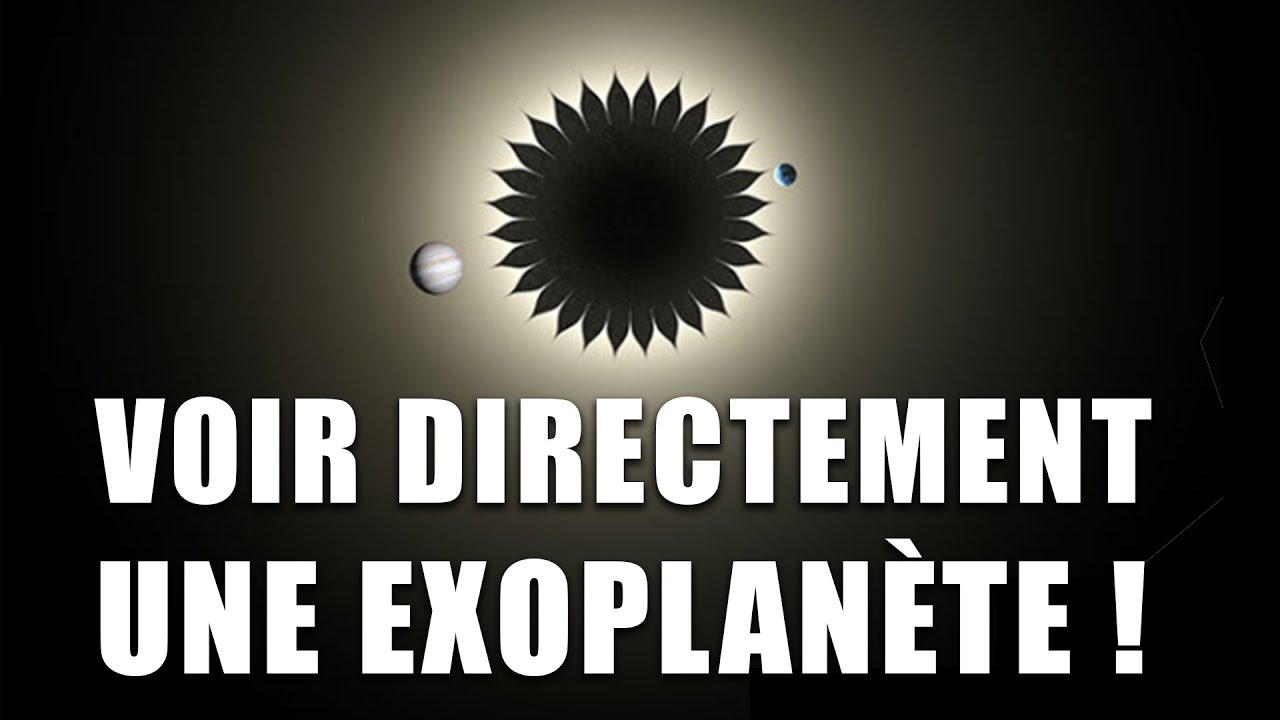
- Explanation of direct imaging of exoplanets and the starshade concept.
- Presentation of the EASY inflatable starshade project.
- Presentation of the phononic metamaterial starshade project.
- Introduction of the Accretion Explorer X-ray interferometer mission.
- Discussion of the SUPREME-QG experiment to test quantum gravity.
- Presentation of a diffractive sail concept for solar polar orbits.
- Presentation of the Helicity Drive fusion propulsion mission architecture for heliosphere study.
- Brief mention of PULSAR Earth observation constellation and hybrid-electric aircraft engine.
Cited Sources
- NIAC 2025 Selections — Official NASA page listing the 2025 NIAC Phase I selections, which is the primary source for the video's content.
Concurring Sources
- NASA NIAC 2025 Selections — The video's content is directly based on this official NASA page, which lists the selected projects.
External References
Contribution & Novelties
The video provides a concise and accessible synthesis of several advanced NASA concepts, making them known to a broader audience. It highlights the diversity of approaches being funded, from inflatable starshades to fusion propulsion, and explains their potential scientific impact.
Pour aller plus loin :
- NASA Innovative Advanced Concepts (NIAC) — Official program page for more details on past and current projects.
- Starshade — Wikipedia article explaining the starshade concept and its applications.
- X-ray interferometry — Wikipedia article on X-ray interferometry, relevant to the Accretion Explorer concept.
- Quantum gravity — Wikipedia article on quantum gravity, relevant to the SUPREME-QG experiment.
- Fusion rocket — Wikipedia article on fusion propulsion, relevant to the Helicity Drive concept.
114 words
Radar Profile
The radar profile shows high scores in information quantity and technical level, indicating a dense and technical video. The quality and reliability scores are slightly lower, reflecting the descriptive nature and lack of critical analysis. Overall, the video is informative but not deeply analytical.
💬 Très positif. Sur les 30 commentaires analysés, les spectateurs expriment un fort enthousiasme pour les projets présentés, avec des demandes de suivi et des réflexions sur l'avenir de ces technologies.