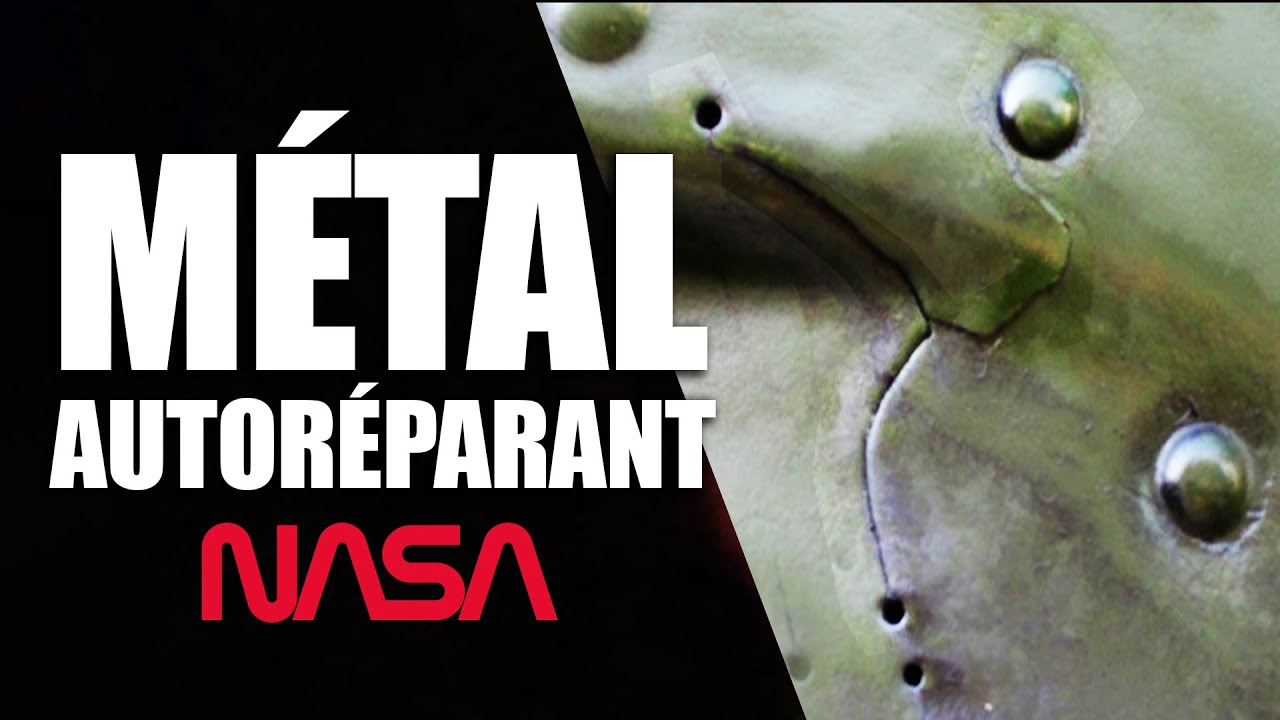
Les TECHNOLOGIES les plus INCROYABLES de la NASA !
Keywords
Summary
158 words
Critical Evaluation
Value of the Information & Strength of the Argument
The video provides valuable information by showcasing concrete examples of NASA technologies that have been successfully transferred to the public sector, illustrating the tangible benefits of space research. The argumentation is well-structured, presenting each technology with its original space application and its potential or actual terrestrial use. The host effectively argues that public investment in space exploration yields practical innovations that improve daily life. However, the video lacks critical analysis of the limitations or challenges of these technologies, and the scientific explanations are simplified for a general audience.
Scientific Rigor, Source Quality, Title Accuracy
The video demonstrates a good level of scientific rigor by referencing official NASA sources, including the technology transfer website and the Spinoff report. The sources are credible and directly related to the discussed technologies. The title accurately reflects the content, which is a compilation of impressive NASA technologies. The video does not delve into technical specifications or provide a comprehensive review of the subject, but it is a reliable popularization of the topic.
176 words
Title / Content Match
The title accurately reflects the content, which showcases several impressive NASA-developed technologies.
Quality & Reliability
7/10
The video presents a selection of NASA technologies with clear explanations and references to official NASA sources (technology.nasa.gov, Spinoff report). However, the content is a popularized overview without in-depth technical detail or critical analysis.
Key Moments
Markers derived by PSI from the transcript: the creator did not define chapters.
Cited Sources
- NASA Technology Transfer Program — Official NASA portal for technology transfer and licensing.
- NASA Spinoff 2021 Report — Annual report detailing NASA technologies that have been commercialized.
- Patent LEW-TOPS-99 — NASA patent related to shape memory alloy technology.
- Patent LAR-TOPS-194 — NASA patent related to self-healing materials.
Concurring Sources
- NASA Spinoff 2021 Report — The report provides official documentation of NASA technologies that have been transferred to the public sector, supporting the video's claims.
External References
Contribution & Novelties
The video provides an accessible overview of NASA’s technology transfer successes, highlighting specific examples that are not widely known to the general public. It contributes to raising awareness of how space research benefits everyday life, which is a valuable perspective. The presentation of current NASA innovations, such as shape-memory alloy tires and self-healing materials, offers a glimpse into future applications.
Pour aller plus loin :
- NASA Spinoff — Official database of NASA technologies commercialized for public use.
- Shape-memory alloy — Wikipedia article explaining the properties and applications of shape-memory alloys.
- Polyvinylidene fluoride — Wikipedia article on PVDF, a polymer used in the medical bandage mentioned in the video.
108 words
Radar Profile
The radar profile shows a balanced performance across all dimensions, with slightly higher scores in information quantity and quality, reflecting the video's informative nature. The technical level is moderate, suitable for a general audience, while reliability is good due to the use of official sources.
💬 Très positif. Sur les 30 commentaires analysés, les spectateurs expriment une forte appréciation pour la vidéo, la qualifiant d'intéressante et bien expliquée, et remercient le créateur pour son travail.