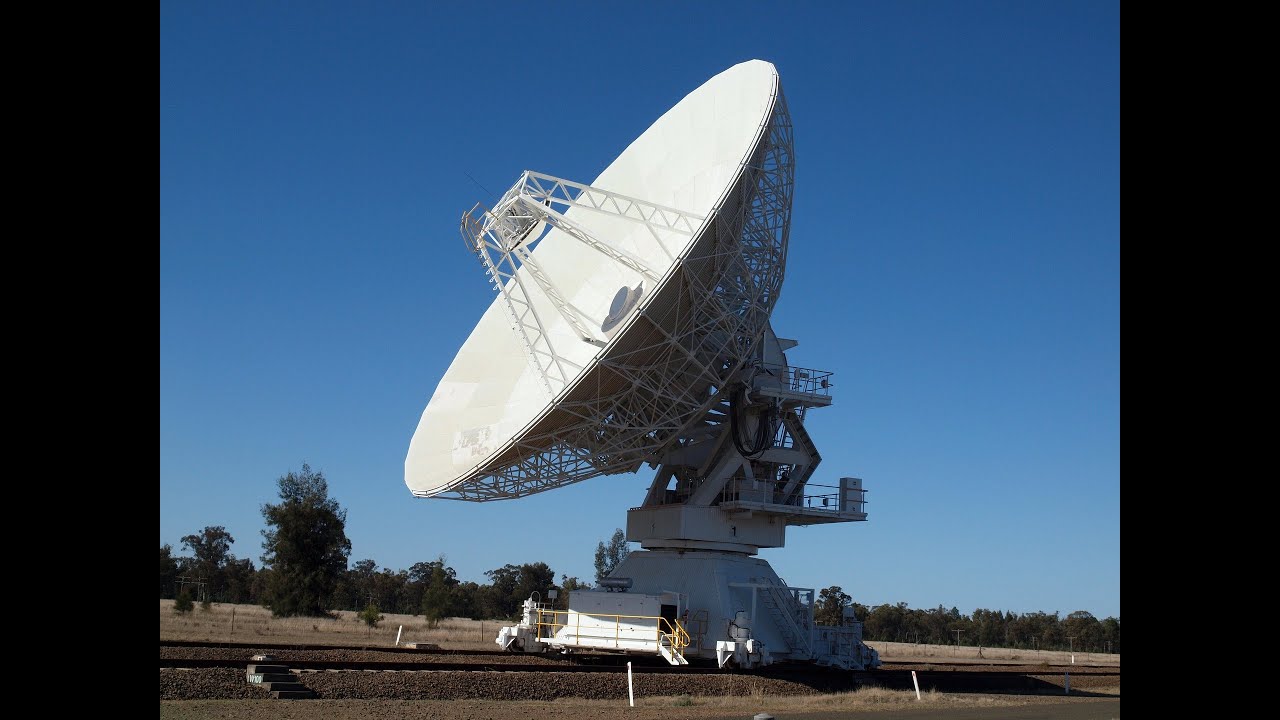
8 New Alien Signal SETI Candidates
Keywords
Summary
158 words
Critical Evaluation
Value of the Information & Strength of the Argument
The video provides valuable information about the latest developments in SETI, particularly the application of machine learning to improve signal detection. It clearly explains the technical aspects, such as narrowband signals and Doppler shift, making them accessible to a general audience. The argumentation is solid, as it presents the findings with appropriate caveats, emphasizing that these are candidates, not confirmed detections. The presenter also contextualizes the results within the broader history of SETI, including the Wow! signal and BLC1, which helps viewers understand the significance and limitations of the new findings.
Scientific Rigor, Source Quality, Title Accuracy
The video demonstrates scientific rigor by referencing the peer-reviewed paper by Ma et al. (2023) published in Nature Astronomy, and by acknowledging the provisional nature of the candidate signals. The sources cited are credible, including the paper and an interview with Dr. Jerry Ehman about the Wow! signal. The title accurately reflects the content, focusing on the eight new candidates. The video does not overstate the findings, and it appropriately discusses the potential for false positives and the need for further observations.
188 words
Title / Content Match
The title accurately reflects the content, which focuses on eight new SETI candidates identified through machine learning.
Quality & Reliability
7/10
The video presents a balanced overview of a recent SETI study, clearly distinguishing between candidate signals and confirmed detections. It accurately describes the methodology and limitations, referencing the peer-reviewed paper. However, it lacks critical discussion of potential false positives and does not provide independent verification of the findings.
Key Moments
Markers derived by PSI from the transcript: the creator did not define chapters.
- Introduction to the challenges of SETI and the evolution of signal detection.
- Explanation of the limitations of early SETI searches and the need for broader frequency coverage.
- Discussion of the data processing challenges and the role of machine learning in filtering signals.
- Presentation of the new study by Ma et al., including the dataset and methodology.
- Details of the eight new signals and their characteristics, including narrowband and Doppler shift.
- Comparison with BLC1 and discussion of the implications for the search for extraterrestrial intelligence.
Cited Sources
- A machine-learning-based data-mining approach to find new radio technosignatures — The paper by Ma et al. (2023) detailing the machine learning approach and the eight new SETI candidates.
- Event Horizon interview with Dr. Jerry Ehman — Interview with the discoverer of the Wow! signal, providing historical context.
- Event Horizon Show — The presenter's other channel, mentioned for further content.
- Cylinder Eight by Chris Zabriskie — Music used in the video, licensed under Creative Commons.
- Creative Commons Attribution 4.0 license — License for the music used in the video.
Concurring Sources
- Breakthrough Listen — The initiative that funded the Green Bank Telescope observations, aligning with the video's description.
- Wow! signal — Historical context for the challenges of SETI, as mentioned in the video.
Contribution & Novelties
The video highlights a novel application of machine learning to SETI data, demonstrating how it can uncover signals missed by traditional algorithms. This represents a significant methodological advancement in the field. The presenter also provides a balanced perspective on the implications of these findings, avoiding sensationalism.
Pour aller plus loin :
- Breakthrough Listen — The initiative that funded the data collection, providing context on the scale of the search.
- Wow! signal — The famous unexplained signal, referenced in the video, illustrating the challenges of SETI.
- Radio frequency interference — A key challenge in SETI, as discussed in the video.
99 words
Radar Profile
The radar profile shows high scores in information quality and reliability, reflecting the video's solid scientific grounding. The moderate score in technical level indicates that while the content is accessible, it still covers technical aspects adequately. The overall balance suggests a well-rounded presentation suitable for a general audience interested in SETI.
💬 Très positif. Sur les 30 commentaires analysés, la grande majorité exprime une appréciation chaleureuse pour la voix et le style de John Michael Godier, ainsi qu'un intérêt pour le sujet. Plusieurs commentaires évoquent des souvenirs de SETI@Home et une nostalgie pour les débuts de la recherche SETI, sans critiques négatives notables.