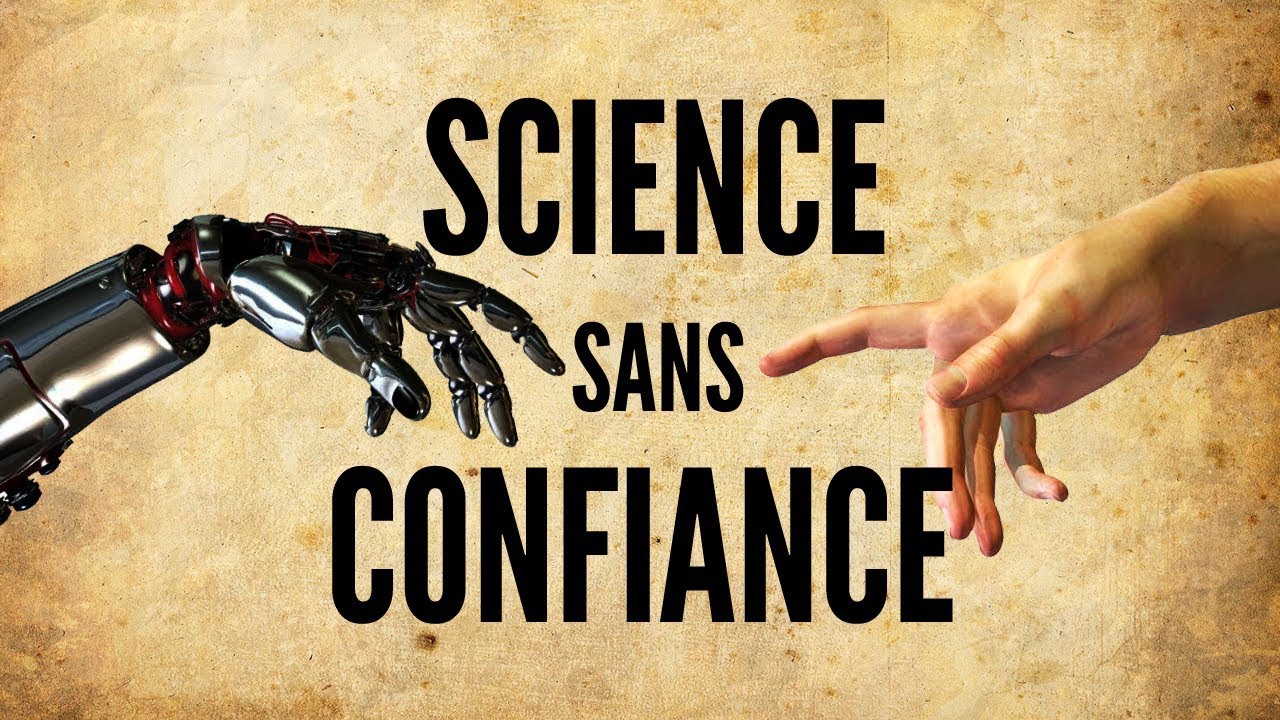
Science sans Confiance - le Vlog of Wonder
Keywords
Summary
136 words
Critical Evaluation
Value of the Information & Strength of the Argument
The video provides valuable insights into the field of science communication, drawing on expert opinion and academic references. The argumentation is solid, presenting a clear critique of the deficit model and advocating for a more dialogic approach. The inclusion of James Kakalios’s perspective adds credibility and practical examples. The reasoning is nuanced, acknowledging the complexity of public trust and the limitations of simple solutions. The video effectively argues that scientists must earn trust through honesty and engagement, rather than expecting it by virtue of their expertise.
Scientific Rigor, Source Quality, Title Accuracy
The video demonstrates scientific rigor by referencing academic literature, such as the meta-analysis by Allum et al. (2008) and the work of Brigitte Nerlich, and by providing links to further resources. The sources are relevant and support the arguments made. The title accurately reflects the content, which focuses on the theme of trust in science. The video does not overstate its claims and presents a balanced view, acknowledging the challenges and complexities of science communication.
176 words
Title / Content Match
The title accurately reflects the content, which explores the theme of trust in science and the challenges of science communication.
Quality & Reliability
8/10
The video presents a nuanced, well-argued expert opinion on science communication, supported by references to academic literature and an interview with a physicist. The reasoning is balanced and acknowledges complexity, though it remains primarily opinion-based rather than a systematic review.
Key Moments
Markers derived by PSI from the transcript: the creator did not define chapters.
- Introduction: Sébastien introduces the topic of public trust in science and the purpose of the video.
- James Kakalios discusses his course on physics in comics and the importance of teaching scientific reasoning.
- Discussion on the deficit model and why it fails to address public skepticism.
- Examples of science communication initiatives: Pint of Science and Zooniverse.
- Explanation of the backfire effect and the importance of respectful dialogue.
- Kakalios emphasizes the role of citizens in making informed decisions on scientific issues.
- Conclusion: The need for scientists to build trust through humility and engagement.
Cited Sources
- Public trust in science: Myths and realities — Blog post by Brigitte Nerlich discussing myths about public trust in science.
- Allum et al 2008 - Science knowledge and attitudes across cultures: a meta-analysis — Meta-analysis on the relationship between science knowledge and attitudes.
- Mémoire de Guillaume Laigle - Les modèles de communication publique des sciences — Master's thesis on models of public science communication.
- Dix idées fausses que se font les scientifiques de la vulgarisation — Article listing common misconceptions scientists have about science communication.
- Dix autres idées fausses sur la vulgarisation scientifique — Follow-up article with additional misconceptions about science communication.
- Zooniverse — Platform for citizen science projects.
- Pint of Science — Festival bringing science to pubs.
- Science - Let it Spin! replay — Replay of the event where the interview with James Kakalios took place.
Concurring Sources
- Allum et al 2008 - Science knowledge and attitudes across cultures: a meta-analysis — Supports the idea that knowledge alone does not determine attitudes.
- Public trust in science: Myths and realities — Discusses myths about public trust, aligning with the video's critique of the deficit model.
External References
Contribution & Novelties
The video offers a thoughtful, personal perspective on science communication, moving beyond the simplistic deficit model. It emphasizes the importance of dialogue and respect, and highlights practical examples like citizen science and science festivals. The interview with James Kakalios provides a concrete illustration of teaching scientific reasoning.
Pour aller plus loin :
- Deficit model (Wikipedia) — Overview of the deficit model in science communication.
- Backfire effect (Wikipedia) — Explanation of the psychological phenomenon where contradictory evidence reinforces beliefs.
- Science communication (Wikipedia) — General overview of the field.
- Citizen science (Wikipedia) — Concept of public participation in scientific research.
98 words
Radar Profile
The radar profile shows high scores in quality and reliability, reflecting the video's well-reasoned arguments and use of credible sources. The quantity of information is moderate, and the technical level is accessible, making it suitable for a general audience. The overall balance indicates a strong, informative piece.
💬 Très positif. Sur les 30 commentaires analysés, les spectateurs expriment un fort enthousiasme pour le format et le contenu, saluant la qualité de la réflexion et la pertinence du sujet.