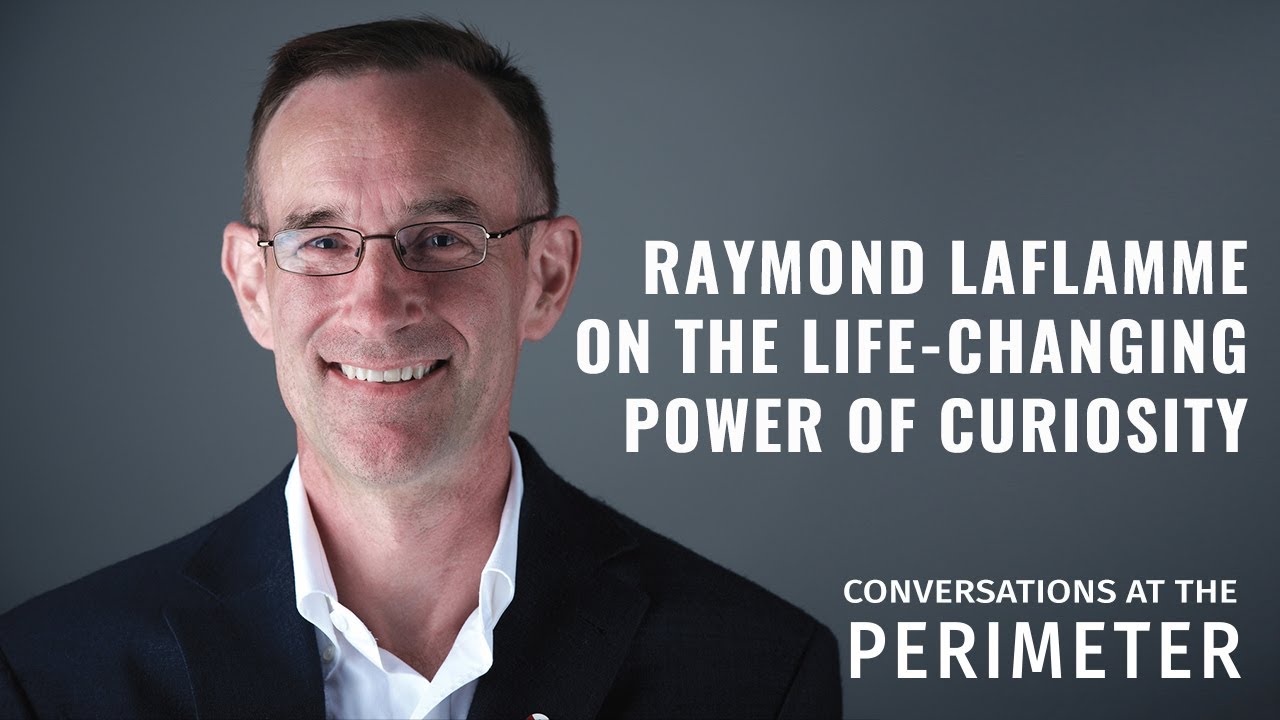
Raymond Laflamme on the life-changing power of curiosity
Keywords
Summary
133 words
Critical Evaluation
Value of the Information & Strength of the Argument
The value of the information is high, as it provides an insider’s perspective on the development of quantum computing from one of its pioneers. Laflamme’s explanations of complex concepts like quantum error correction are clear and accessible, making the content valuable for both newcomers and those with some background. The argumentation is solid, grounded in his personal experience and scientific expertise. He presents a balanced view, acknowledging the uncertainties and challenges in the field, which strengthens the credibility of his statements.
Scientific Rigor, Source Quality, Title Accuracy
The scientific rigor is high, with Laflamme accurately describing the principles of quantum mechanics and quantum error correction. The content is based on his extensive research and contributions to the field. The title accurately reflects the content, which is a mix of personal narrative and scientific discussion. The sources cited are the podcast’s official page and the Perimeter Institute’s website, which are appropriate for the context. The conversation is an expert opinion rather than a formal scientific presentation, but the information is consistent with established knowledge.
182 words
Title / Content Match
The title accurately reflects the content, which focuses on Laflamme's career and the role of curiosity, while also delving into quantum information science.
Quality & Reliability
8/10
The content is an expert interview with a leading physicist, providing accurate and well-explained information about quantum computing and quantum error correction. The scientific explanations are consistent with established knowledge, and the personal anecdotes are credible. However, the format is conversational and lacks formal citations, which slightly reduces the score.
Key Moments
Markers derived by PSI from the transcript: the creator did not define chapters.
- Introduction and discussion about life after the pandemic.
- Explanation of the Institute for Quantum Computing and its goals.
- Discussion of superposition and quantum properties.
- Laflamme's initial skepticism and work on quantum error correction.
- Explanation of classical vs. quantum error correction.
- Comparison of different quantum computing implementations.
- Discussion of quantum sensors and other applications.
- Personal stories about Stephen Hawking and his influence.
- Reflections on curiosity and the future of quantum technologies.
Cited Sources
- Conversations at the Perimeter Podcast — Official podcast page for the series.
- Perimeter Institute Donation Page — Support for the institute's outreach.
- Perimeter Institute LinkedIn — Social media presence of the institute.
Concurring Sources
- Quantum error correction — Provides background on the topic discussed in the video.
- Shor's algorithm — Relevant to the discussion of quantum algorithms.
Contribution & Novelties
The video provides a unique personal perspective on the history and development of quantum computing, including Laflamme’s initial attempt to disprove its feasibility and his subsequent contributions to quantum error correction. It offers insights into the challenges and mindset of a leading researcher, which is not typically found in formal scientific literature.
Pour aller plus loin :
- Quantum error correction — Overview of the field and its importance.
- Shor’s algorithm — The algorithm that sparked interest in quantum computing.
- Superposition principle — Fundamental concept in quantum mechanics.
87 words
Radar Profile
The radar profile shows high scores in information quality and technical level, reflecting the expert nature of the content. The quantity of information is also high, but the reliability is slightly lower due to the conversational format and lack of formal citations.