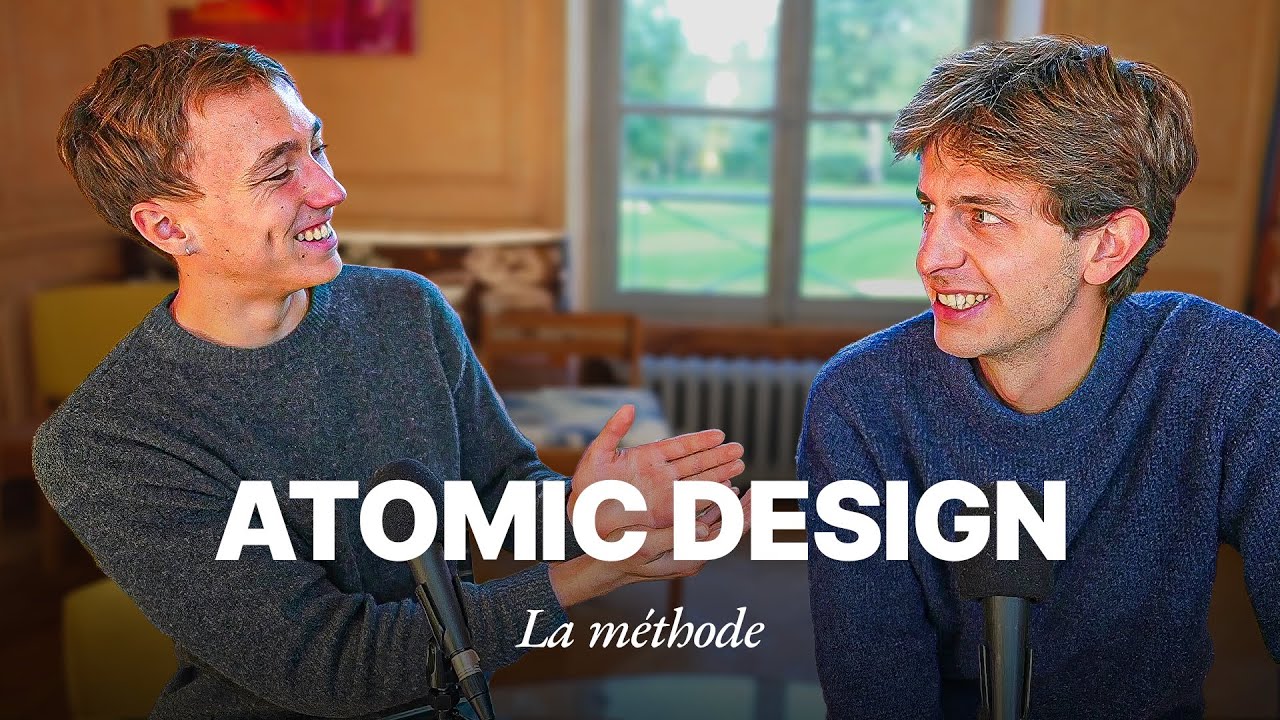
10 erreurs qui ruinent vos designs (masterclass design 2024)
Keywords
Summary
155 words
Critical Evaluation
Value of the Information & Strength of the Argument
The video provides a clear, actionable framework for design that is accessible to beginners. The argumentation is based on the presenters’ professional experience and a logical progression from abstract intention to concrete visual output. The live demonstration effectively illustrates the process, making the methodology tangible. However, the value is limited by the lack of empirical evidence or comparative analysis with other design methods. The argumentation is persuasive but relies heavily on anecdotal success stories and the authority of the speakers.
Scientific Rigor, Source Quality, Title Accuracy
The video does not cite any external scientific or academic sources. The only references are the presenters’ own projects and the promotional links to their training platform. The title ‘10 erreurs qui ruinent vos designs’ is somewhat misleading, as the video does not enumerate ten specific errors but rather presents a positive methodology. The content is internally consistent and the steps are logically connected, but the lack of external validation and the promotional undertone reduce the overall scientific rigor.
174 words
Title / Content Match
The title promises '10 errors' but the video focuses on a positive methodology (intention-clarity-delight) rather than a numbered list of errors. The mismatch is moderate.
Quality & Reliability
6/10
The video presents a subjective, experience-based methodology for design. It lacks formal citations or empirical evidence, but the approach is coherent and grounded in professional practice. The promotional nature for a paid course slightly reduces the perceived objectivity.
Chapters
- Introduction (objectif de Atomic Design)
- Qui est Ben ? (son parcours, ses projets, sa vision)
- La méthode Atomic Design
- Création du site Web grâce au protocole de Ben!
- Clarification du projet
- Pourquoi le moodboard ?
- Exploration des concepts
- Création du sitemap
- Création du wireframe
- Création du site
- Faire rayonner VOTRE PROJET
Cited Sources
- Eliott Meunier's blog — Personal blog of the host, mentioned as a practical resource.
- Atomic Thinking school — Online school founded by Eliott Meunier, offering design training.
- Atomic Design course — The specific paid course promoted in the video, which teaches the methodology presented.
Concurring Sources
- Design Thinking — The methodology aligns with design thinking principles, emphasizing user empathy and iterative prototyping.
Contribution & Novelties
The video offers a structured, step-by-step methodology for design that emphasizes intention and clarity before visual execution. This approach is not entirely novel but is presented in a clear, actionable format that is rare in free content. The live demonstration provides a practical example that viewers can follow.
Pour aller plus loin :
- Design thinking — A broader problem-solving approach that shares similarities with the intention-clarity-delight framework.
- Mood board — The tool used in the clarity phase to gather visual inspiration.
- Wireframe — The skeletal layout used to structure content before visual design.
93 words
Radar Profile
The radar profile shows a balanced but moderate performance across all dimensions. The highest scores are in information quantity and quality, reflecting the video's comprehensive yet accessible content. The lower score in technical level indicates that the video is aimed at beginners and does not delve into advanced design techniques. The overall reliability is moderate, consistent with the lack of external sources and the promotional nature.