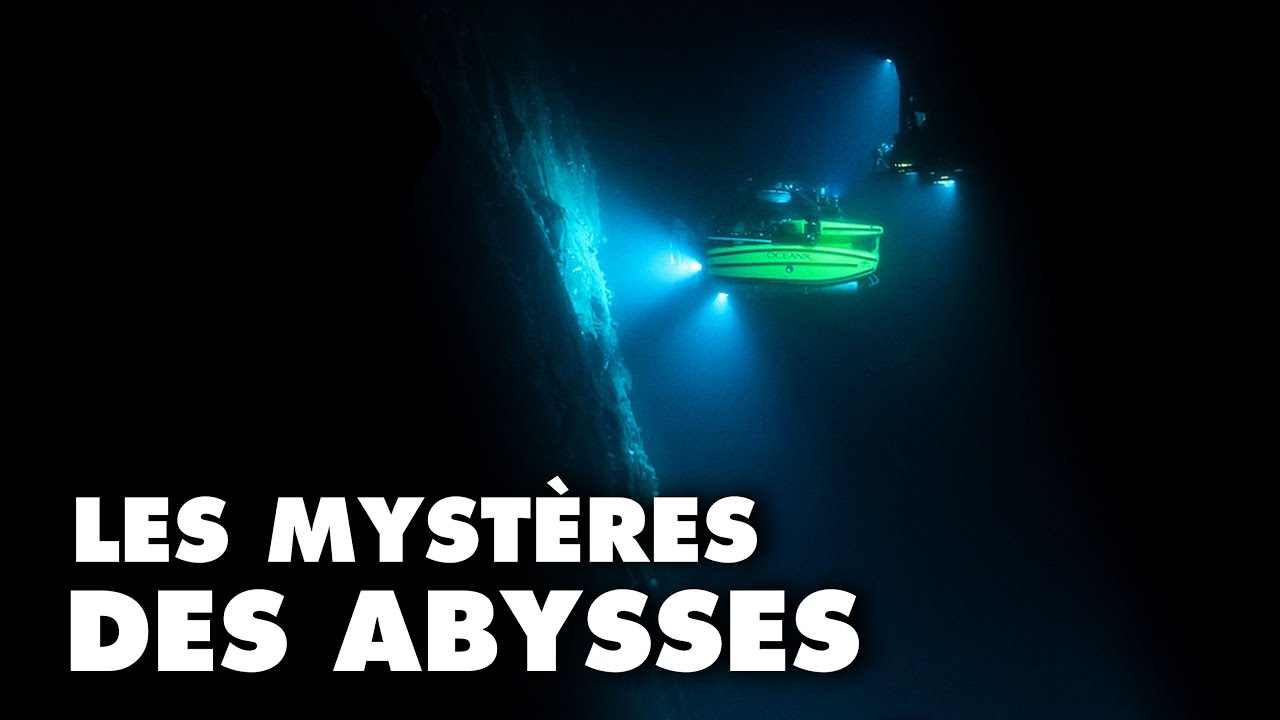
Les MYSTÈRES des ABYSSES, les derniers continents à explorer
Keywords
Summary
178 words
Critical Evaluation
Value of the Information & Strength of the Argument
The video provides a wealth of accurate and fascinating information about deep-sea geology, effectively communicating complex scientific concepts in an accessible manner. The argumentation is solid, building from basic geography to more intricate phenomena, and is supported by credible sources. The narrative is engaging and well-structured, making a compelling case for increased ocean exploration.
Scientific Rigor, Source Quality, Title Accuracy
The video demonstrates strong scientific rigor, citing reputable institutions like NOAA, IFREMER, and academic references. The sources are appropriately used to support claims, and the information is presented accurately. The title accurately reflects the content, focusing on the mysteries and unexplored aspects of the deep ocean floor. The video also includes a brief sponsorship segment, which is clearly indicated and does not detract from the scientific content.
136 words
Title / Content Match
The title accurately reflects the content, focusing on the mysteries and unexplored aspects of the deep ocean floor.
Quality & Reliability
8/10
The video presents well-established scientific facts about ocean floor geology and features, supported by reputable sources such as NOAA, IFREMER, and academic references. The information is accurate and up-to-date, with clear explanations of complex phenomena.
Chapters
Cited Sources
- Abyssal plain — Reference for the description of abyssal plains.
- Black Sea undersea river — Reference for the underwater river in the Black Sea.
- Denmark Strait cataract — Reference for the underwater waterfall in the Denmark Strait.
- Zhemchug Canyon — Reference for the largest submarine canyon.
- Bassin de l'Atalante — Reference for underwater brine lakes.
- Fosse Romanche — Reference for the Romanche Trench.
- Mont sous-marin — Reference for seamounts.
- Plateau Chatsky — Reference for the Chatsky Plateau.
- Plateau Tamu — Reference for the Tamu Massif.
- Copernicus Marine Service — Source for oceanographic data.
- NOAA Ocean Service - Largest waterfall — Reference for the largest underwater waterfall.
- USGS Publication - Zhemchug Canyon — Scientific reference for submarine canyons.
- Topex - Gravity and bathymetry — Reference for global bathymetry data.
- Le Monde - Fonds marins inexplorés — Reference for the unexplored deep sea.
- NOAA Bathymetry — Reference for detailed bathymetric maps.
- Balade Mentale Utip — Support page for the channel.
- IFREMER - Grands fonds — Reference for deep-sea videos and content.
- Episode 1 of the series — Link to the first episode of the series.
Concurring Sources
- NOAA Ocean Service - Largest waterfall — Confirms the existence of the Denmark Strait cataract as the largest waterfall.
- USGS Publication - Zhemchug Canyon — Supports the description of Zhemchug Canyon as the largest submarine canyon.
Contribution & Novelties
The video provides a comprehensive and visually stunning overview of deep-sea geology, highlighting the vast unexplored regions and unique phenomena. It effectively communicates the scale and importance of underwater features, often overlooked in popular science. The documentary’s strength lies in its ability to make complex scientific concepts accessible to a broad audience while maintaining accuracy.
Pour aller plus loin :
- NOAA Ocean Exploration — Official site for deep-sea exploration and research.
- International Seabed Authority — Organization regulating deep-sea mining and exploration.
- Schmidt Ocean Institute — Research institute conducting deep-sea expeditions.
- Deep Sea Conservation Coalition — Advocacy group for deep-sea protection.
- Wikipedia: Oceanic trench — Overview of deep-sea trenches.
108 words
Radar Profile
The radar profile shows high scores in information quantity and quality, with a slightly lower technical level, indicating a well-balanced documentary that is both informative and accessible. The reliability score is strong, reflecting the use of credible sources.
💬 Très positif. Sur les 30 commentaires analysés, tous expriment une admiration unanime pour la qualité visuelle, la narration et le contenu scientifique, avec des éloges récurrents sur la beauté et la pédagogie de la vidéo.