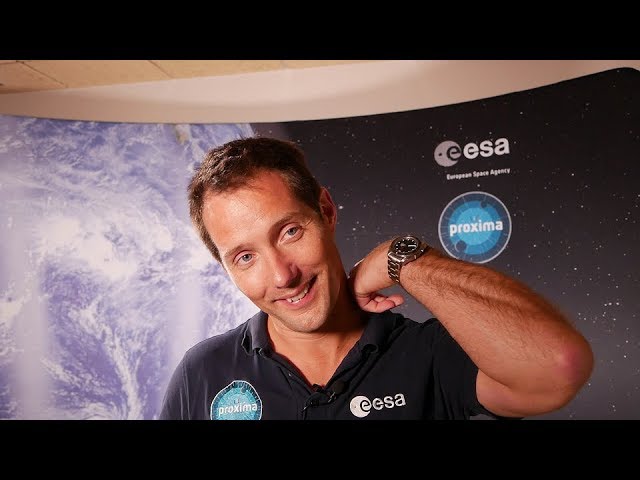
Parole d'astronautes, épisode 2: Le grand départ
Keywords
Summary
123 words
Critical Evaluation
Value of the Information & Strength of the Argument
The value of this video lies in the authentic, first-hand accounts of experienced astronauts. Their descriptions of the physical sensations, the emotional impact, and the unexpected aspects of launch provide insights that are rarely captured in official documentation. The argumentation is not structured as a formal demonstration but rather as a series of personal narratives, which is appropriate for the documentary format. The credibility of the speakers is high, and their anecdotes are consistent with known facts about spaceflight, such as the G-forces, the pyrotechnic separations, and the visual shock of seeing Earth from orbit.
Scientific Rigor, Source Quality, Title Accuracy
The scientific rigor is moderate: the video is based on personal testimonies, not on peer-reviewed data. The sources are the astronauts themselves, who are highly reliable, but the information is anecdotal. The title accurately reflects the content, which is about the launch experience. The video does not cite external sources, but it is part of a series that likely includes more technical episodes. The production quality is amateur, but the content is genuine and not misleading.
186 words
Title / Content Match
The title accurately reflects the content: astronauts share their personal experiences of the launch and the beginning of their space journey.
Quality & Reliability
7/10
The video features direct testimonies from astronauts (Thomas Pesquet, Richard Garriott, Philippe Perrin) about their personal experiences during launch and orbital insertion. The information is anecdotal and subjective, but the speakers are highly credible experts. The production is amateur but the content is authentic and not contradicted by known facts.
Key Moments
Markers derived by PSI from the transcript: the creator did not define chapters.
- Thomas Pesquet describes the physical discomfort of sitting in the Soyuz for hours.
- Discussion about the launch phase being passive for astronauts, with the real work starting at orbital insertion.
- Philippe Perrin recounts the surprise of stage separation and the feeling of deceleration.
- Richard Garriott describes the shock of seeing Earth from space and the thin atmosphere.
- Thomas Pesquet talks about the silence and fragility of the Soyuz, comparing it to a lifeboat.
- Conclusion and teaser for the next episode.
Cited Sources
Concurring Sources
- ESA - Thomas Pesquet — Official mission page confirming Thomas Pesquet's spaceflight experience.
Contribution & Novelties
The video provides a rare, personal perspective on the launch experience, which is often overshadowed by technical details. It highlights the human aspect of spaceflight, including the physical discomfort, the emotional surprises, and the philosophical reflections on Earth’s fragility. This complements more technical documentaries by offering a subjective but valuable insight.
Pour aller plus loin :
- Thomas Pesquet’s mission page — Official ESA page about Thomas Pesquet’s Proxima mission, providing context for his testimony.
- Soyuz spacecraft — Wikipedia article on the Soyuz spacecraft, useful for understanding the technical aspects mentioned.
- Space Shuttle — Wikipedia article on the Space Shuttle, relevant to Philippe Perrin’s experience.
104 words
Radar Profile
The radar profile shows moderate scores across all dimensions, with a slight peak in information quality and reliability, reflecting the credibility of the astronauts. The low technical level and quantity of information indicate that the video is more about personal experience than technical detail.
💬 Sur les 0 commentaires analysés, aucune tendance n'a pu être dégagée.