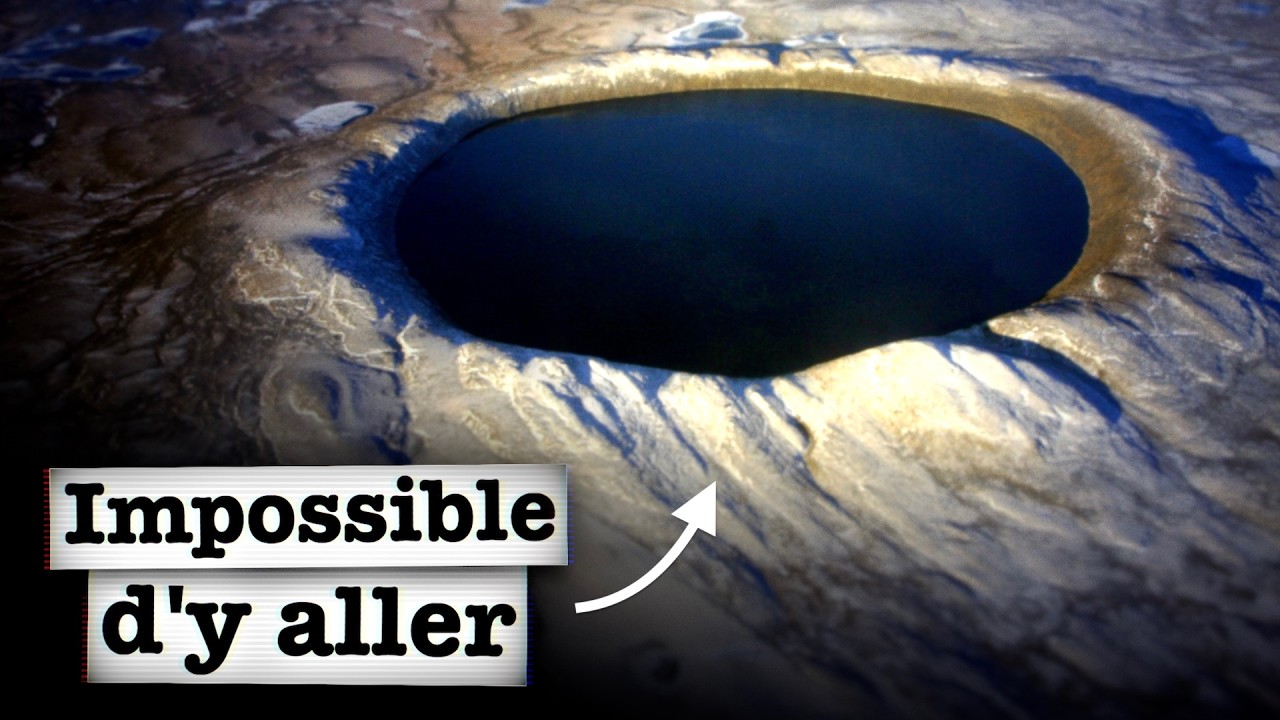
Le CRATÈRE le plus inaccessible du MONDE
Keywords
Summary
139 words
Critical Evaluation
Value of the Information & Strength of the Argument
The video provides valuable information about impact craters, particularly the Pingualuit crater, which is less known to the general public. The argumentation is solid, using comparisons with Meteor Crater and other examples to illustrate key points about crater formation and preservation. The creator effectively explains complex concepts like impact energy and geological time scales in an accessible manner. However, some statements lack precise sourcing, and the informal tone occasionally detracts from the scientific rigor.
Scientific Rigor, Source Quality, Title Accuracy
The video demonstrates good scientific rigor by referencing well-documented craters and providing links to sources in the description. The title accurately reflects the content, focusing on the most inaccessible crater. The creator mentions specific studies and historical facts, such as the discovery by Frederick Chubb and the renaming by the Inuit community. However, some numerical figures are presented without direct citations, and the video could benefit from more explicit references to scientific literature.
162 words
Title / Content Match
The title accurately reflects the content, focusing on the most inaccessible impact crater, Pingualuit, and comparing it to other craters.
Quality & Reliability
7/10
The video presents scientifically accurate information about impact craters, supported by references to well-known structures and studies. However, some figures (e.g., energy equivalence) are approximate and presented without precise citations, and the narrative style includes informal digressions.
Chapters
Cited Sources
- Pingualuit crater - Wikipedia — General information about the Pingualuit crater.
- Île René-Levasseur - Wikipedia — Information about the island within the Manicouagan crater.
- Cratère des Pingualuit - Wikipedia — French Wikipedia page on the Pingualuit crater.
- Dôme de Vredefort - Wikipedia — Information on the Vredefort impact structure.
- Lac Wiyâshâkimî - Wikipedia — Information on the binary impact crater lake.
- Meteor Crater - Wikipedia — Information on Meteor Crater in Arizona.
- Valhalla (cratère) - Wikipedia — Information on the Valhalla crater on Callisto.
- Pingualuit Crater, Canada - NASA Earth Observatory — NASA's Earth Observatory page on the Pingualuit crater.
- An icy mystery deep in Arctic Canada - BBC Travel — BBC Travel article about the Pingualuit crater.
- Le cratère des Pingualuit - Environnement Québec — Quebec government page on the Pingualuit crater.
- L'impact du cratère des Pingualuit - Monnaie Royale Canadienne — Royal Canadian Mint blog post about the Pingualuit crater.
- Parc national des Pingualuit - Nunavik Parks — Official park website for Pingualuit National Park.
Concurring Sources
- Pingualuit Crater - NASA Earth Observatory — NASA's page confirms the crater's location, size, and pristine condition.
- Pingualuit crater - Wikipedia — Wikipedia provides consistent details on the crater's age and characteristics.
Dissenting Sources
- No direct discordant sources found — The video's claims align with available scientific sources; no contradictions were identified.
Contribution & Novelties
The video brings attention to the Pingualuit crater, a relatively obscure but scientifically significant impact structure. It effectively contrasts it with the more famous Meteor Crater, highlighting its superior size and preservation. The narrative also touches on the cultural importance of the site to the Inuit community, adding a unique perspective. The video serves as an engaging introduction to impact craters for a general audience.
Pour aller plus loin :
- Impact crater - Wikipedia — Overview of impact craters and their formation.
- Chicxulub crater - Wikipedia — The most famous impact crater linked to dinosaur extinction.
- Manicouagan Reservoir - Wikipedia — Another large impact crater in Quebec, mentioned in the video.
- Pingualuit National Park - Official site — Practical information for visiting the crater.
124 words
Radar Profile
The radar profile shows a balanced performance with high scores in information quantity and quality, moderate technical depth, and solid reliability. The video excels in providing substantial information about impact craters, but could improve in technical detail and source citation precision.
💬 Très positif. Sur les 30 commentaires analysés, les spectateurs expriment un fort enthousiasme pour la vidéo, beaucoup de fierté québécoise et des remerciements pour la mise en lumière du cratère Pingualuit.