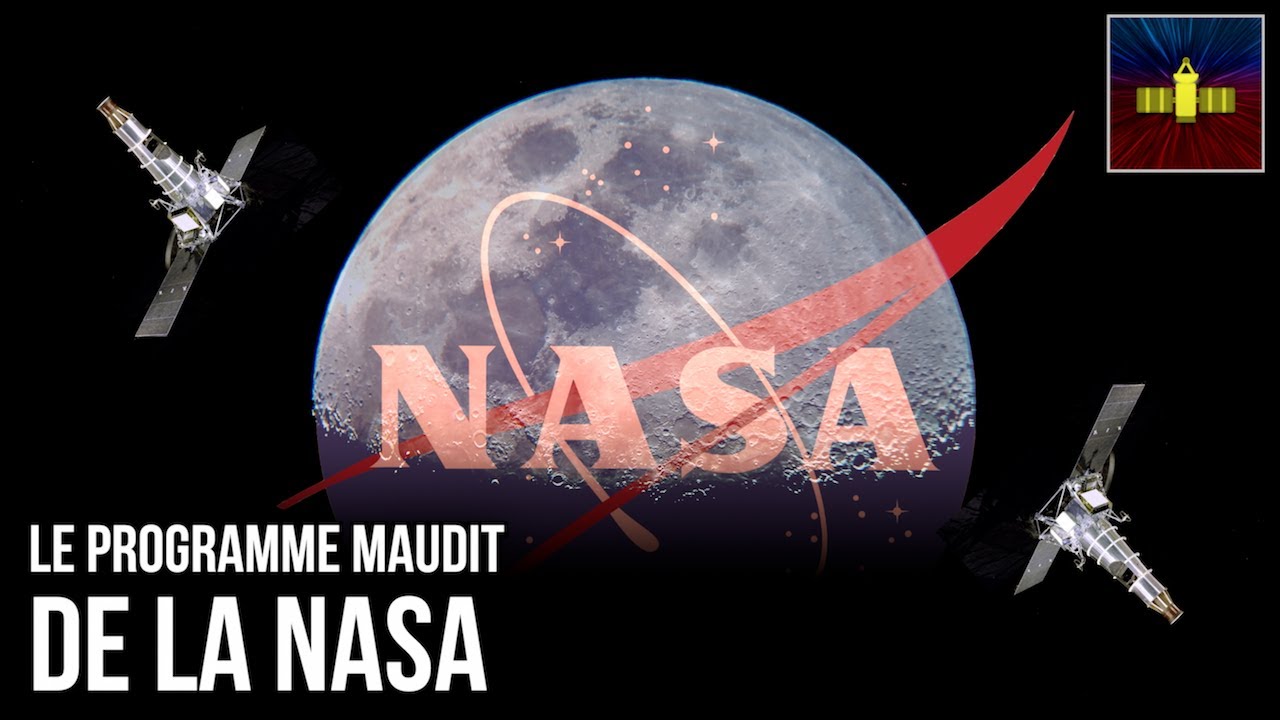
🛰 Le programme maudit de la NASA
Keywords
Summary
148 words
Critical Evaluation
Value of the Information & Strength of the Argument
The video provides a valuable historical overview of a lesser-known NASA program, filling a gap in public knowledge. The argumentation is solid, presenting a clear chronological narrative of the Ranger missions, their objectives, and outcomes. The presenter effectively conveys the technical and political challenges, and the importance of the program’s eventual success for the Apollo missions. The use of specific details, such as the distance by which Ranger 3 missed the Moon (37,000 km) and the number of photos taken by Ranger 7 (4,300), adds credibility. The video also correctly places the program within the broader context of the space race and the development of space technology.
Scientific Rigor, Source Quality, Title Accuracy
The video demonstrates a good level of scientific rigor, with the presenter referencing Wikipedia articles for the Ranger program and related topics. The information presented is consistent with established historical records. The title accurately reflects the content, focusing on the program’s troubled history. The video does not cite primary sources or academic papers, but for a popular science video, the reliance on reputable secondary sources is acceptable. The presentation is clear and well-structured, with a logical flow from the program’s inception to its conclusion.
206 words
Title / Content Match
The title accurately reflects the content, focusing on the troubled history of the NASA Ranger program.
Quality & Reliability
7/10
The video provides a detailed historical account of the NASA Ranger program, based on well-known facts and referencing Wikipedia articles. The narrative is coherent and aligns with established space history, though it lacks primary sources and in-depth technical analysis.
Key Moments
Markers derived by PSI from the transcript: the creator did not define chapters.
- Introduction and promotion of the secondary channel.
- Context of the space race and the need for lunar surface data.
- Description of the Ranger spacecraft and the Block 1 missions (Ranger 1 and 2).
- Block 2 missions: Ranger 3, 4, and 5, and their failures.
- Block 3 missions: Ranger 6 failure and Ranger 7 success.
- Successes of Ranger 8 and 9, and the discovery of regolith.
- Conclusion and summary of the program's importance.
Cited Sources
- Ranger program (English Wikipedia) — Main reference for the program's history and missions.
- Programme Ranger (French Wikipedia) — French-language reference for the program.
- Ranger 1 (French Wikipedia) — Details on the first Ranger mission.
- Ranger 2 (French Wikipedia) — Details on the second Ranger mission.
- Régolithe (French Wikipedia) — Reference for the lunar regolith mentioned in the video.
Concurring Sources
- Ranger program (English Wikipedia) — Provides a detailed account of the missions, consistent with the video.
- Programme Ranger (French Wikipedia) — French-language source corroborating the video's narrative.
Contribution & Novelties
The video brings to light a relatively obscure but crucial NASA program, offering a comprehensive narrative that is often overshadowed by the Apollo missions. It provides a clear explanation of the technical challenges and the iterative process of failure and success in space exploration. The video’s contribution lies in its accessible synthesis of historical facts, making the story of the Ranger program understandable to a general audience.
Pour aller plus loin :
- Ranger program - NASA History — Official NASA overview of the program.
- Lunar Reconnaissance Orbiter — Modern mission that continues to map the Moon’s surface.
- Surveyor program — Follow-up robotic missions that soft-landed on the Moon.
108 words
Radar Profile
The radar profile shows high scores in information quantity and quality, with a moderate technical level and reliability. This indicates a well-researched and informative video, though it may not delve deeply into technical details or provide primary source citations.
💬 Très positif. Sur les 30 commentaires analysés, la grande majorité exprime une appréciation pour la découverte d'un sujet méconnu et la qualité de la présentation, avec des remerciements et des encouragements pour le créateur.