solar eclipsetotal eclipseeclipse observationsolar safetyastronomy
Summary
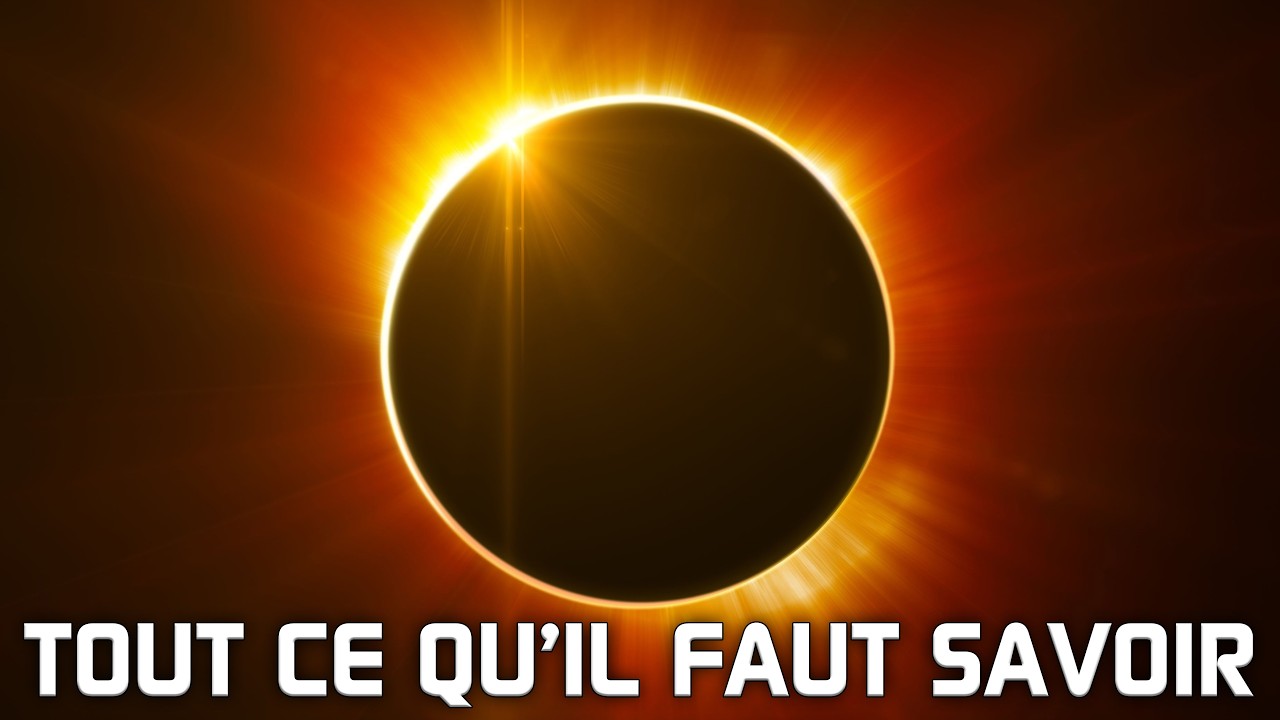
This video by AstronoGeek provides a comprehensive guide to the total solar eclipse occurring on August 12, 2026, visible from northern Spain and Greenland. The host explains the celestial mechanics behind solar and lunar eclipses, emphasizing why total solar eclipses are rare and require precise positioning. He details the path of totality, timing (starting around 19:30 local time, totality near 20:25), and duration (up to 1 minute 45 seconds). Practical advice includes using the interactive map at theeclipse.app, checking cloud cover, being mobile, and following Spanish camping regulations. Safety is stressed: never look at the sun without proper filters (eclipse glasses, Astrosolar film) and never use optical devices without solar filters. The video reviews observation methods from naked eyes (only during totality) to pinhole cameras, solar filters, and advanced telescopes like the Seestar S30 Pro and H-alpha setups. It also covers lunar eclipses and annular eclipses for context. The host acknowledges conflicts of interest due to sponsored links but maintains educational value.
Critical Evaluation
The video delivers a thorough and accessible overview of the 2026 total solar eclipse, blending educational content with practical guidance. The explanation of orbital mechanics is clear and accurate, correctly describing the elliptical orbits of Earth and Moon, the inclination of the Moon's orbit, and why eclipses do not occur monthly. The distinction between solar and lunar eclipses is well-articulated, and the host correctly notes that lunar eclipses are safe to view while solar eclipses require precautions. The discussion of eclipse types (total, annular, partial) is scientifically sound. The practical advice is detailed and useful: using theeclipse.app for mapping, considering cloud cover, being mobile, and adhering to Spanish laws. Safety warnings are appropriately emphatic, covering the dangers of direct viewing and the necessity of certified filters. The review of observation methods is comprehensive, from low-cost options (pinhole camera) to high-end equipment (H-alpha telescopes). However, the video is heavily interspersed with commercial promotions and affiliate links, which may undermine perceived objectivity. The host acknowledges this briefly but does not fully separate educational content from advertising. The scientific depth is moderate; while the basics are well-covered, there is no discussion of recent research or historical eclipse data. The sources cited are primarily commercial or practical tools (eclipse.app, equipment retailers) rather than academic references. The video's strength lies in its practical utility for eclipse chasers, but it lacks critical analysis of conflicting information or alternative viewpoints. The host's tone is engaging and enthusiastic, which aids retention but may oversimplify complex concepts. Overall, the video is a reliable starting point for planning eclipse observation, but viewers seeking deeper scientific understanding should consult additional resources.
The video provides a practical, up-to-date guide for the 2026 total solar eclipse, focusing on logistics, safety, and observation methods. It uniquely combines orbital mechanics explanations with actionable advice for eclipse chasers, including use of interactive maps and Spanish regulations. The review of various equipment (from cheap filters to H-alpha telescopes) helps viewers choose based on budget. However, the scientific content is not novel; it synthesizes existing knowledge.
The radar profile shows high scores in quantity of information (9) and quality (8), indicating comprehensive and accurate content. The technical level (6) is moderate, suitable for general audiences. Fiabilite (8) is strong but slightly reduced by commercial bias. Overall, the video is a reliable practical guide but not a deep scientific analysis.